BAD FINANCIAL HABITS TO DROP BEFORE THE NEW YEAR STARTS

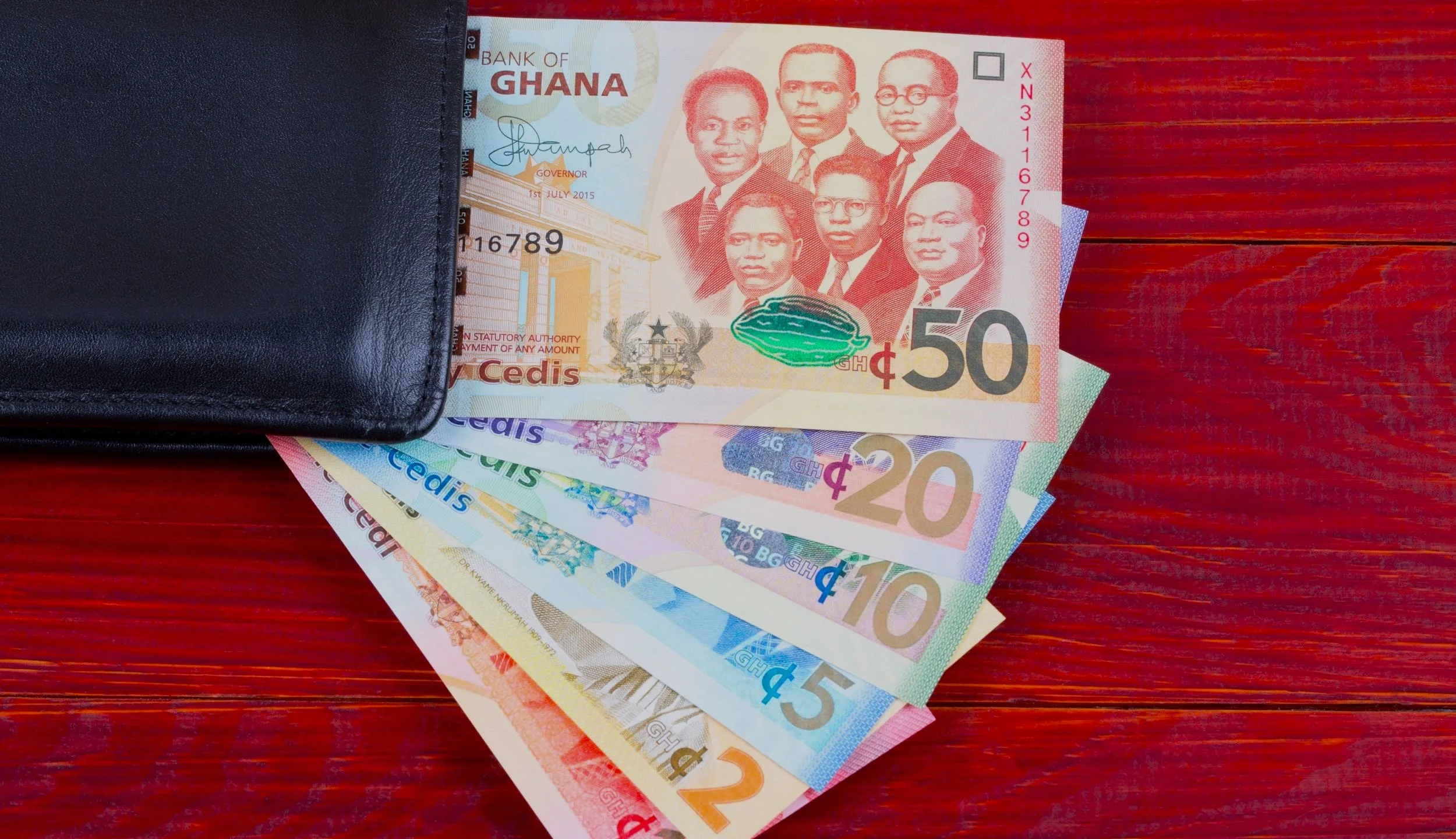
As the year winds down, many Ghanaians start thinking about fresh goals: new businesses, better savings, travel plans, or finally becoming financially stable. Yet, no matter how much money you plan to make in the new year, bad financial habits can quietly sabotage all your efforts.
Get more than 50% discount on your next purchase. Click here to enjoy this offer now
Before you write new resolutions, it’s just as important to identify the money habits you must leave behind. Here are key financial habits you should drop before the new year begins.
Living as if “money will come somehow”
While faith and optimism matter, relying on miracles instead of planning keeps many people stuck in cycles of debt and stress. Waiting until the last minute to figure out rent, school fees, or hospital bills often leads to borrowing at high interest or draining your savings. Going into the new year, replace hope-only thinking with clear income plans, budgets, and realistic expectations.
Important questions to ask yourself before the new year arrives

Spending first, saving later
For many Ghanaians, saving only happens if there’s money left after expenses, which often means no saving at all. With MoMo making spending effortless, it’s easy to swipe money away before even realizing it’s gone. This new year, drop the habit of saving leftovers. Instead, save first, even if it’s small. Whether it’s GHS20 a week or GHS100 a month, consistency matters more than amount. Treat savings like a bill you must pay.
Practical tips to help you set and achieve your financial goals for the new year in Ghana

Excessive “soft life” Pressure
There’s nothing wrong with enjoying life, but social media has turned lifestyle into competition. From brunch spots in Accra to constant weekend outings, many people are spending to look successful rather than to be financially stable. If your finances are struggling but your Instagram looks rich, something is wrong. Drop the habit of spending to impress people who won’t help you pay your bills. True soft life is peace of mind, not pressure.
Meaningful end of year traditions that set the tone for a better new year

Ignoring small daily expenses
It’s easy to track big expenses like rent or fuel, but small daily spending often does the most damage. Before the new year, stop pretending small expenses don’t matter, they matter a lot. Track them for just one month and you’ll be shocked how much money you can redirect to savings or investments.
How to start the new year feeling refreshed and recharged
Borrowing for non-essentials
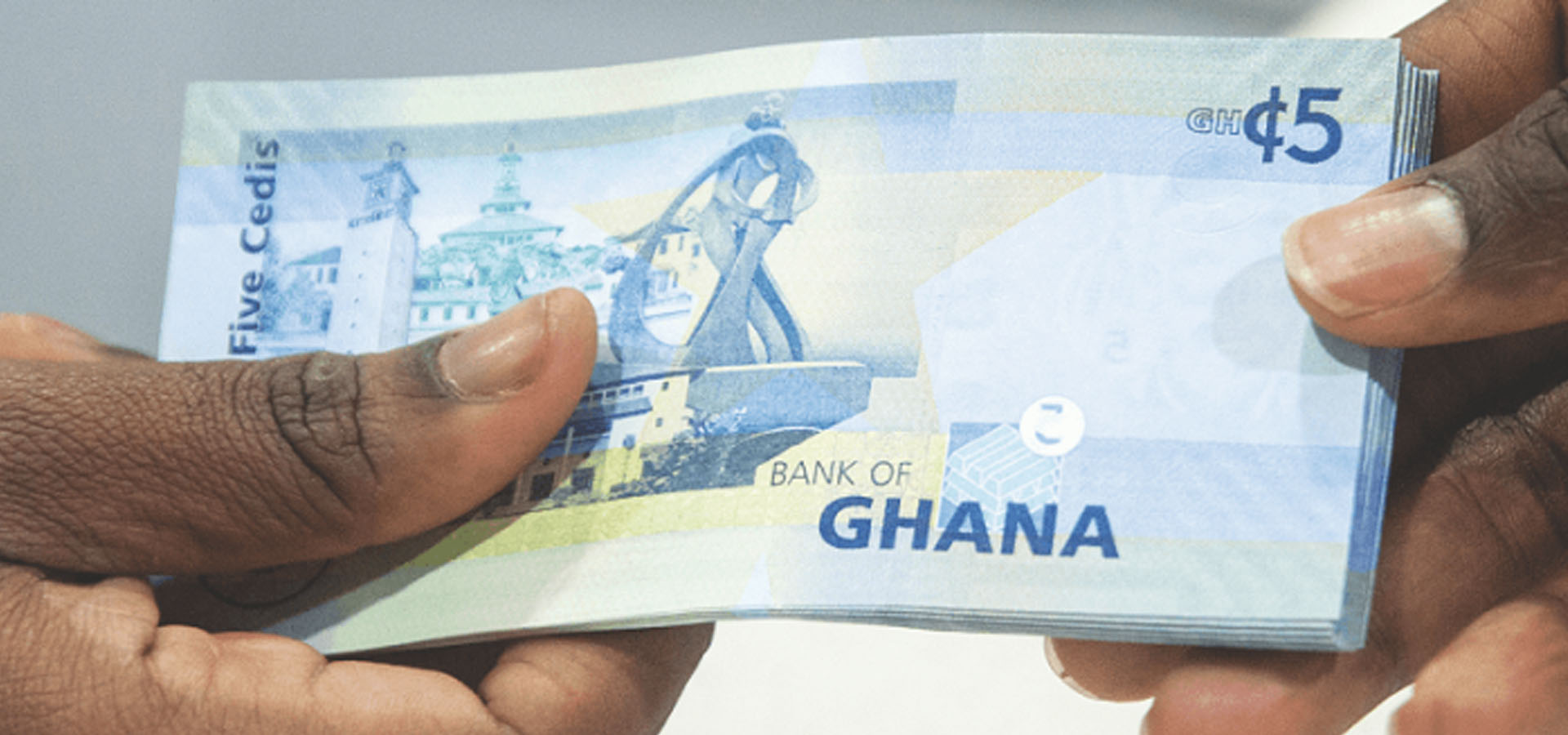
Borrowing money to solve emergencies is one thing. Borrowing to fund outings, fashion trends, or unnecessary upgrades is another. Unfortunately, casual borrowing has become normalized, especially through MoMo loans and informal lenders. Entering the new year with unnecessary debt puts you behind before you even start. Drop the habit of borrowing for wants. If you can’t afford it without a loan, it’s likely not a priority.
The power of of self-discipline and how to build it daily

Avoiding financial conversations
Many Ghanaians avoid talking about money, especially within families and relationships. This leads to misunderstandings, hidden debts, and unrealistic expectations. Before the new year, drop the habit of silence. Have honest conversations about finances, contributions, boundaries, and goals. Financial clarity prevents emotional stress and broken relationships.
7 powerful skills every young Ghanaian should consider learning
Not reviewing the year financially
As the year ends, most people reflect emotionally but not financially. They remember the struggles but never analyze why they struggled.
Take time to review your finances: how much you earned, how much you saved, where you overspent, and what mistakes you made. The habit of financial reflection can completely change your next year.
Get more than 50% discount on your next purchase. Click here to enjoy this offer now
A new year won’t automatically bring financial growth. Growth comes from intentional change. Dropping bad money habits is just as powerful as setting new goals. The earlier you drop these habits, the stronger your financial foundation will be in the new year and beyond.