CAPE COAST CASTLE: WHAT TO EXPECT WHEN YOU VISIT GHANA’S MOST HISTORIC LANDMARK

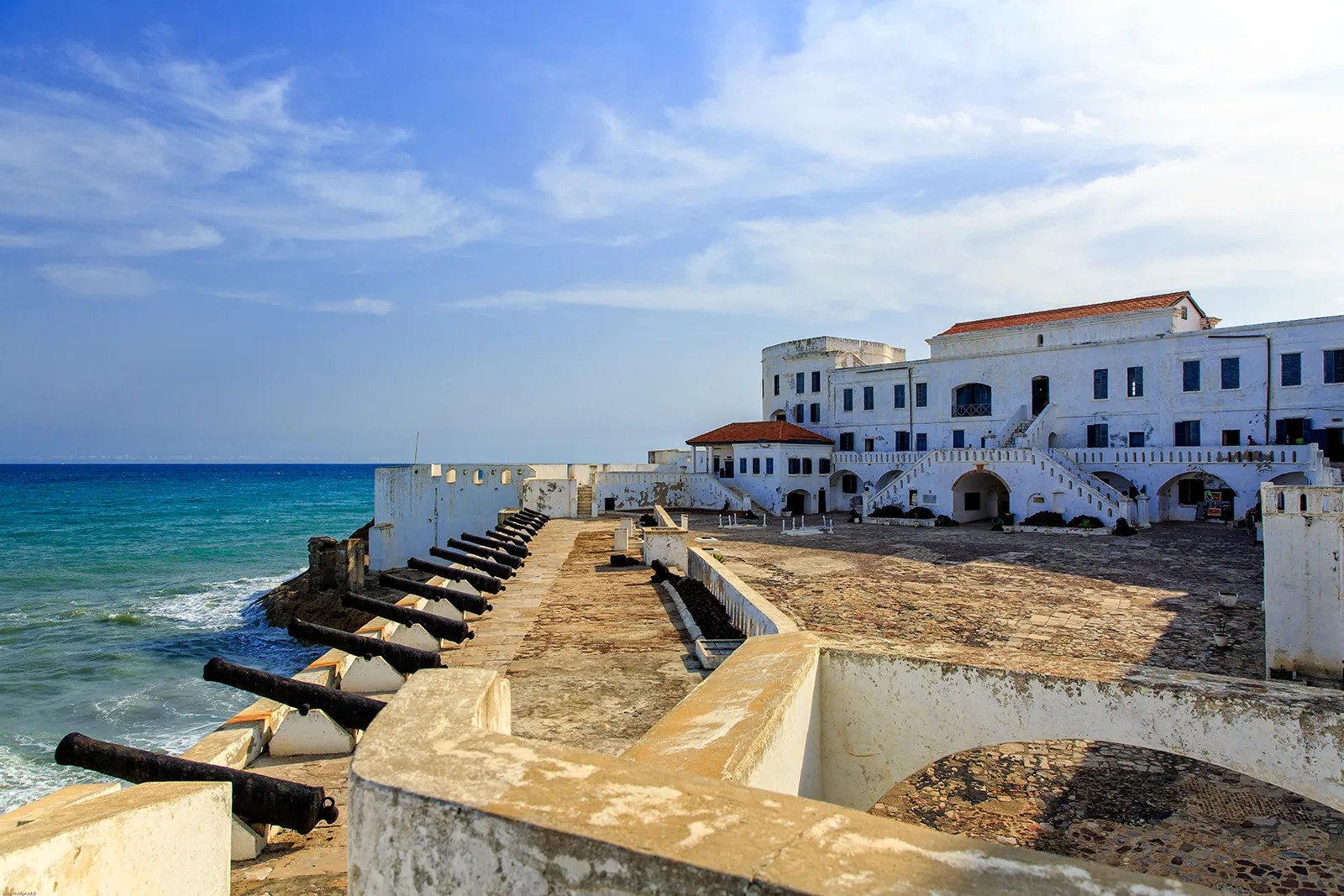
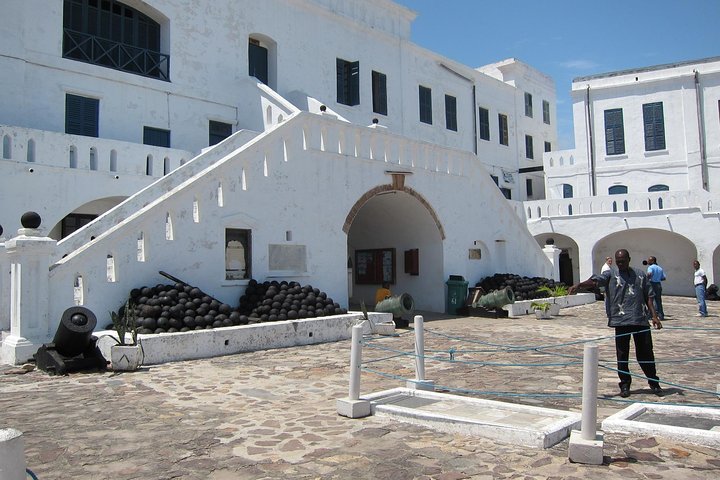
If you’re planning a trip to Ghana, one of the most powerful experiences you can have is a visit to Cape Coast Castle. This UNESCO World Heritage Site is not just one of the top tourist attractions in Cape Coast, but also one of the most important historical sites in Ghana. For centuries, the castle served as one of the largest slave-holding and trading posts during the transatlantic slave trade. Today, it stands as a museum and memorial, attracting thousands of visitors each year who want to connect with Ghana’s history and heritage.
Get more than 50% discount on your next purchase. Click here to enjoy this offer now
Here’s everything you need to know about what to expect when you visit Cape Coast Castle.
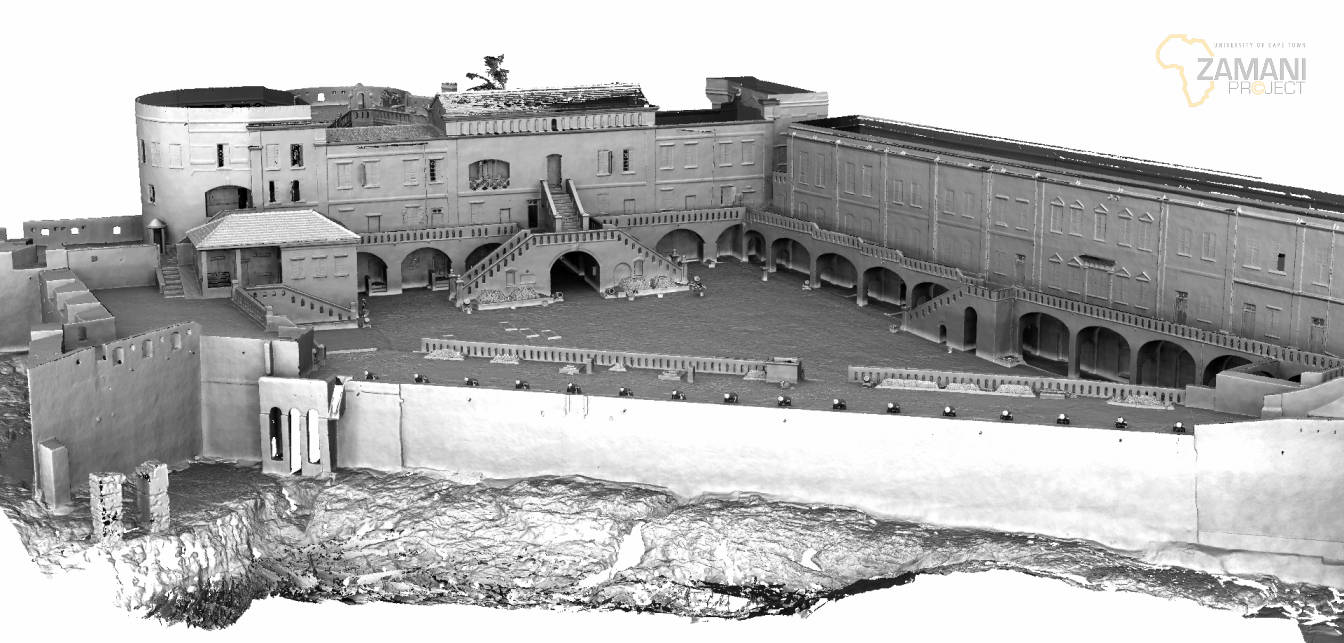
The historical background of Cape Coast Castle
Built in the mid-1600s by Swedish traders and later expanded by the British, Cape Coast Castle was at the center of the slave trade in West Africa. It functioned as both a fortress for European powers and a holding site for enslaved Africans before they were shipped across the Atlantic. Visiting the castle today gives travelers a glimpse into this painful history while also offering a chance to reflect and honor the resilience of those who endured unimaginable suffering.
A budget-friendly guide to exploring Ghana as a tourist
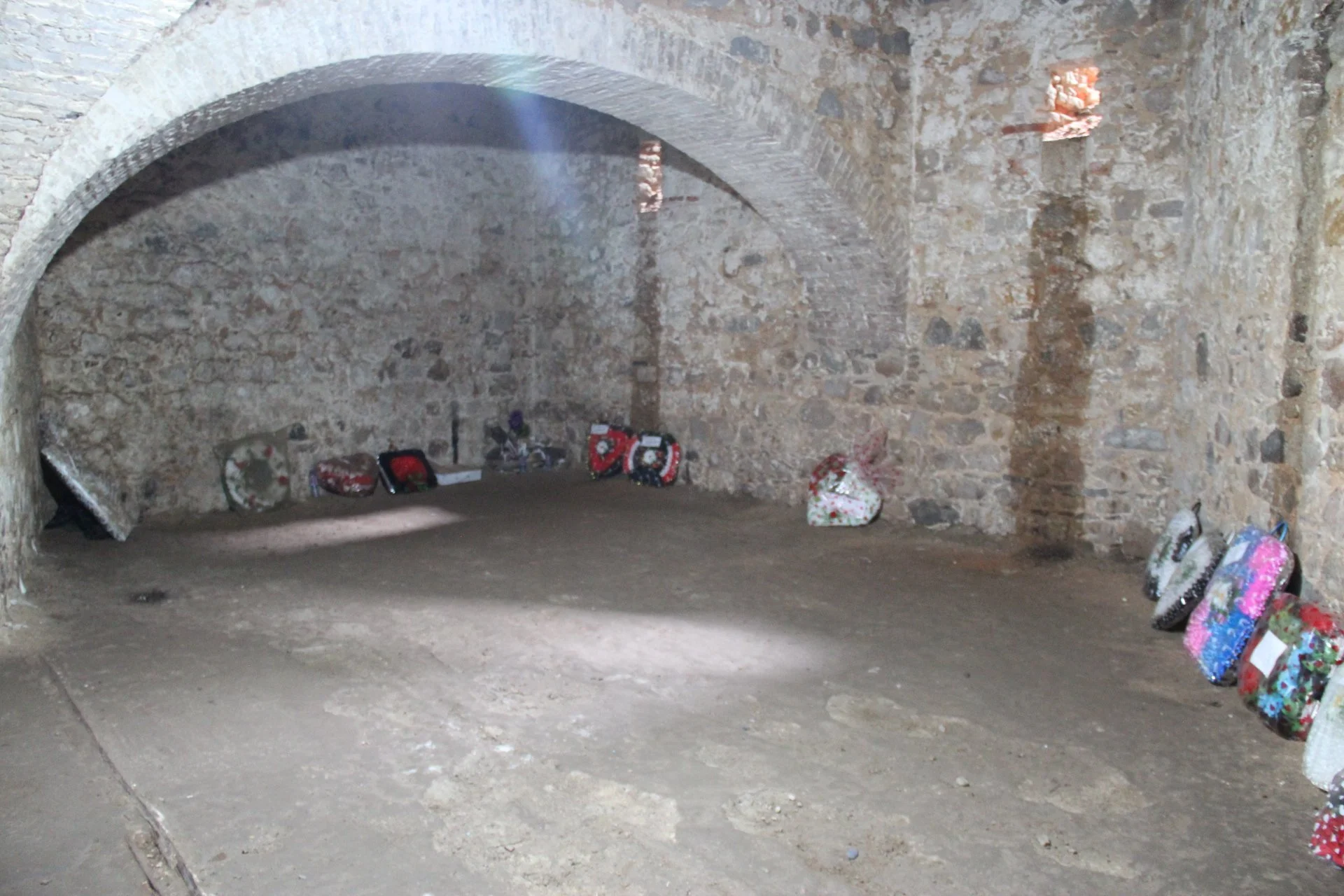
Exploring the Slave Dungeons
One of the most moving parts of a Cape Coast Castle tour is the visit to the slave dungeons. These underground chambers, dark and airless, once held hundreds of men and women in horrific conditions. The stone floors and walls still bear the marks of that suffering, making the experience raw and unforgettable. Many visitors describe standing in the dungeons as a life-changing moment, one that offers a deeper understanding of the impact of the slave trade in Ghana and beyond.
9 must visit historical sites in Ghana
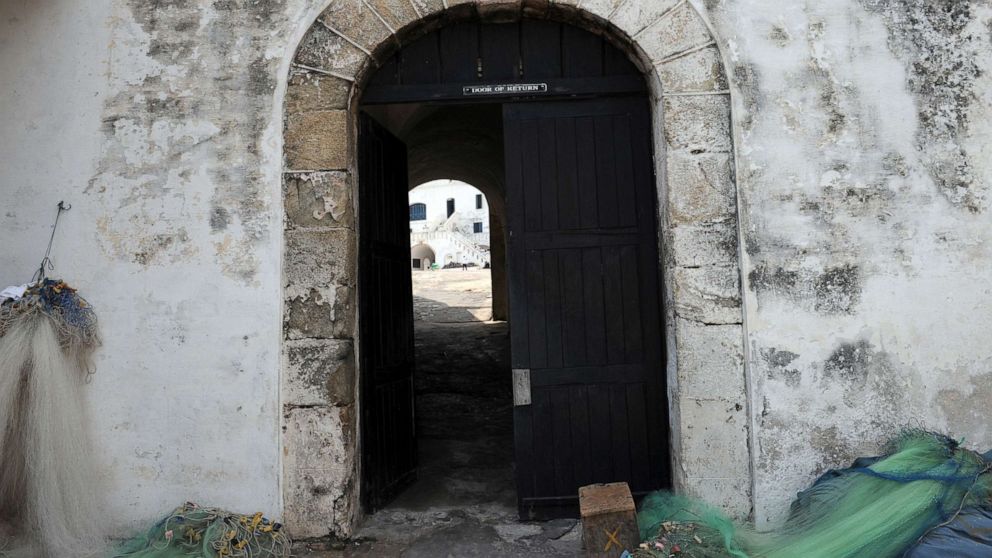
The Door of No Return
Perhaps the most iconic spot in the castle is the “Door of No Return.” This small opening facing the Atlantic Ocean was the passage enslaved Africans walked through as they were forced onto ships bound for the Americas. For many, it was their last sight of their homeland. Today, the door has been reinterpreted as the “Door of Return,” symbolizing reconnection with the African diaspora. Walking through it is deeply emotional, especially for those tracing their ancestry back to West Africa.
The best waterfalls in Ghana to visit
Practical tips for visiting Cape Coast Castle
If you’re planning a trip, here are a few useful things to know:
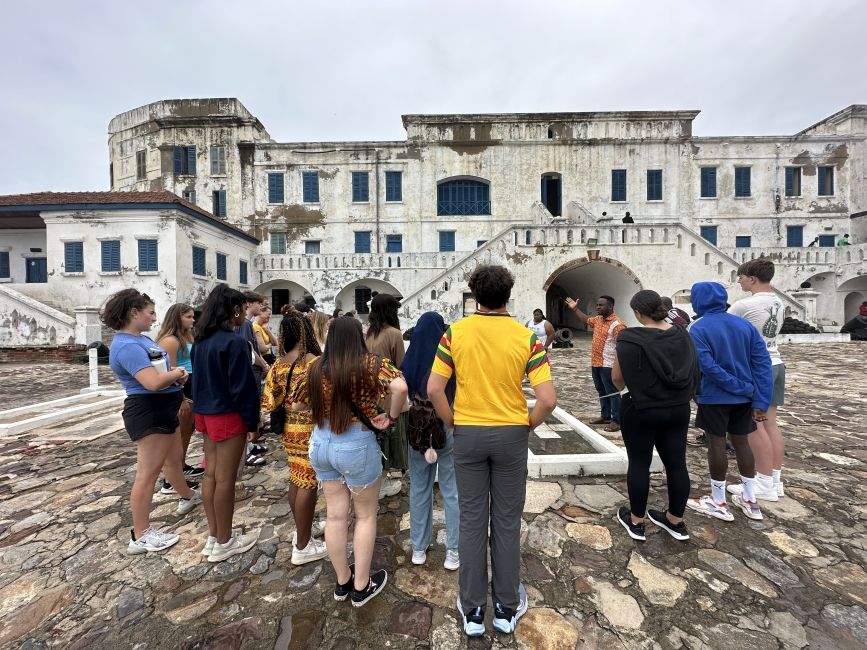
Guided Tours: Tours are available daily and are the best way to fully understand the history of the castle.
Opening Hours: Cape Coast Castle is generally open from 9 AM to 5 PM.
Entrance Fee: There is an affordable fee for both locals and foreigners, with discounts for students.
Photography: Photos are allowed in most areas, but be respectful—it’s a solemn place of remembrance.
Nearby Attractions: You can also visit Elmina Castle, another slave trade site just 15 minutes away, or stop by Kakum National Park for a canopy walkway adventure.
The ultimate Ghana bucket list: Everything a foreigner must experience before leaving Ghana
Why you should visit Cape Coast Castle
A visit to Cape Coast Castle is not just about sightseeing. It’s about remembrance, reflection, and connecting with a piece of global history that shaped nations. Whether you’re Ghanaian, part of the African diaspora, or simply a traveler interested in culture, Cape Coast Castle offers a powerful and unforgettable experience.
Get more than 50% discount on your next purchase. Click here to enjoy this offer now