FINANCIAL HABITS THAT KEEP YOU POOR EVEN WHEN YOU EARN WELL


It’s one of the most confusing realities of modern life: people with impressive salaries still living paycheck to paycheck. You’d think earning well automatically translates to financial freedom, but that’s far from the truth. Income alone doesn’t build wealth, habits do. And unfortunately, some habits quietly drain your money no matter how much you earn.
Get more than 50% discount on your next purchase. Click here to enjoy this offer now
If you’ve ever wondered why your bank balance never reflects your hard work, this article is for you. Let’s break down the most common financial habits that keep people poor even when their income says they shouldn’t be.

Lifestyle inflation disguised as “I Deserve This”
One of the fastest ways to stay broke on a high income is upgrading your lifestyle every time your salary increases. New phone, better apartment, frequent vacations, expensive outings because “you’ve earned it.” The problem isn’t enjoying your money; it’s tying your spending identity to your income. When expenses rise at the same pace as earnings, there’s nothing left to save or invest. Many high earners aren’t broke because they don’t earn enough, they’re broke because they spend everything they earn.
Common MOMO mistakes that are costing you money without realizing it

No clear budget because “I Earn Enough”
A surprising number of well-paid people don’t budget at all. The mindset is simple: I earn well, so I don’t need to track my spending. That’s exactly how money quietly disappears. Without a budget, small daily expenses compound into major leaks, impulse food orders, subscriptions you forgot about, constant “small” transfers. You don’t need an extreme budget, but you do need awareness. Money you don’t track is money you lose control over.
10 simple habits that can change your life this year
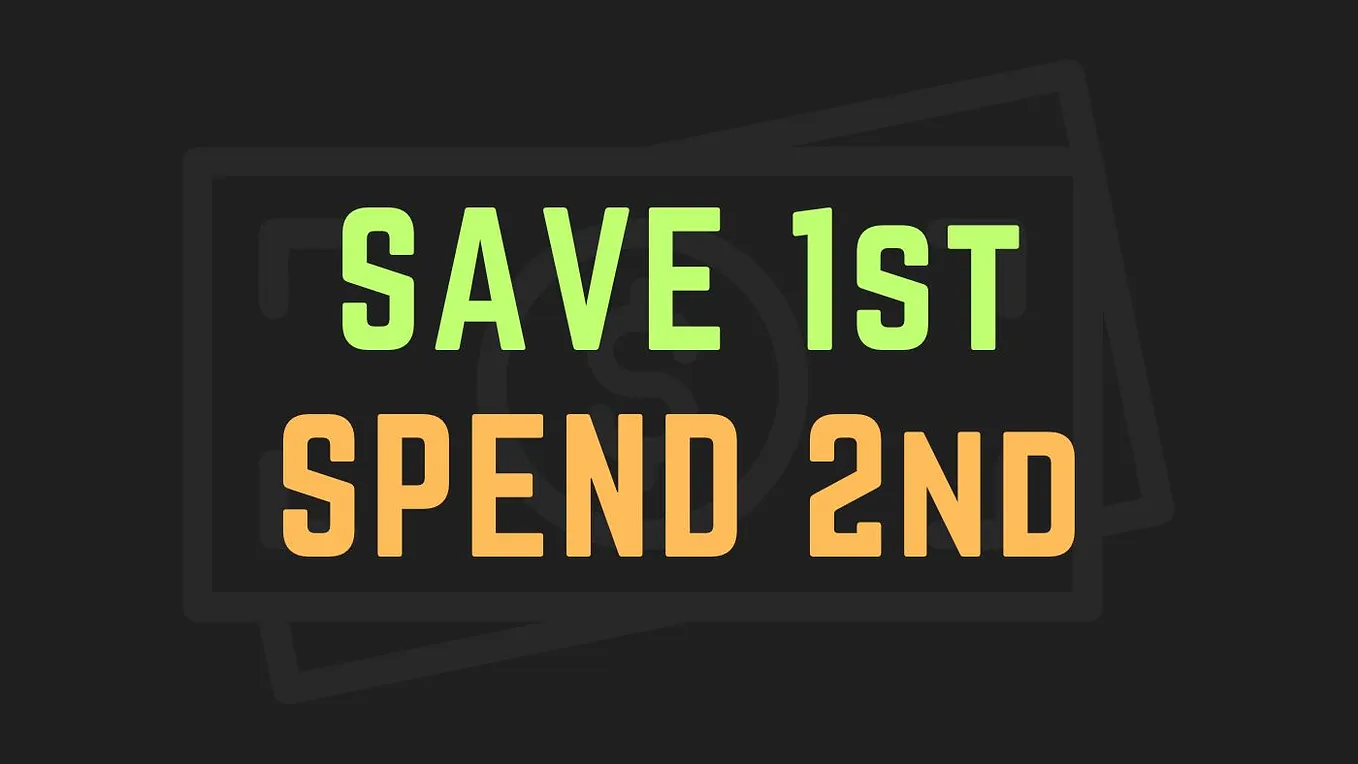
Saving what’s left instead of paying yourself first
Another silent trap is saving only what remains after spending. High earners who don’t automate savings often convince themselves they’ll save next month. The habit that builds wealth is saving first, then spending what remains, not the other way around. Whether it’s a savings account, emergency fund, or investment contribution, your future self should be treated like a bill that must be paid every month.
Practical tips to help you set and achieve your financial goals this year in Ghana
Depending on one income stream
Many people earning well feel secure, so they never think about additional income streams. Layoffs, medical emergencies, company restructuring, or economic downturns don’t care about your salary level. Relying on a single source of income keeps you one bad event away from financial stress. Multiple income streams don’t mean working yourself into exhaustion. They can be investments, side businesses, skills you monetize, or passive income channels. Security isn’t about earning more, it’s about depending on less.
7 powerful skills every young Ghanaian should consider learning
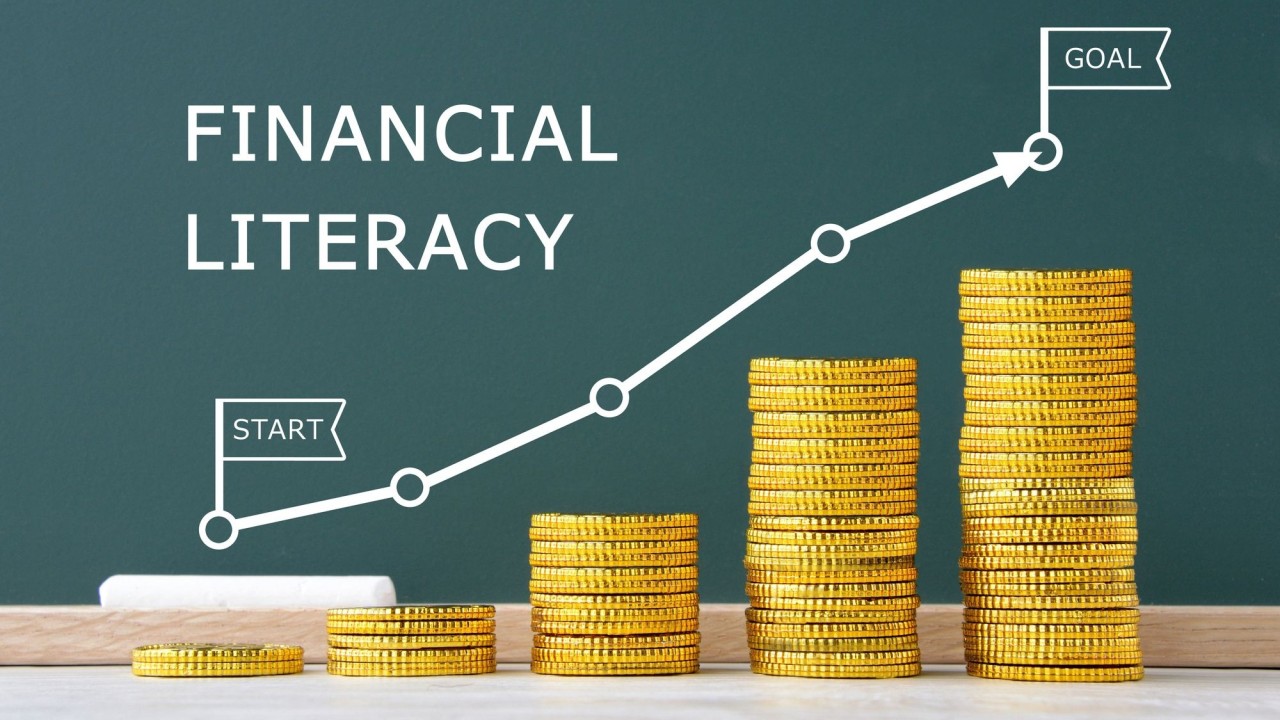
Ignoring financial education
Earning well doesn’t mean you understand money. Many high-income earners never learn about investing, inflation, compound interest, or asset building. As a result, their money sits idle or worse, loses value over time. Not investing is a financial decision, and usually a bad one. Inflation punishes people who don’t grow their money. The habit of continuous financial learning separates those who stay rich from those who keep starting over.
A practical guide for making money through social media in Ghana

No long-term financial vision
Finally, many people earn well but have no clear financial direction. When money has no purpose, it gets wasted. A clear vision, whether it’s financial independence, early retirement, owning property, or starting a business gives your money direction. Without it, spending becomes reactive and emotional.
Get more than 50% discount on your next purchase. Click here to enjoy this offer now
Being well-paid doesn’t protect you from poor financial habits. In fact, it often hides them longer. The difference between people who stay broke and those who build wealth isn’t income, it’s behavior. Fix those, and your money will finally start working as hard as you do.