HOW TO IMPROVE YOUR EMOTIONAL INTELLIGENCE AND UNLOCK YOUR FULL POTENTIAL

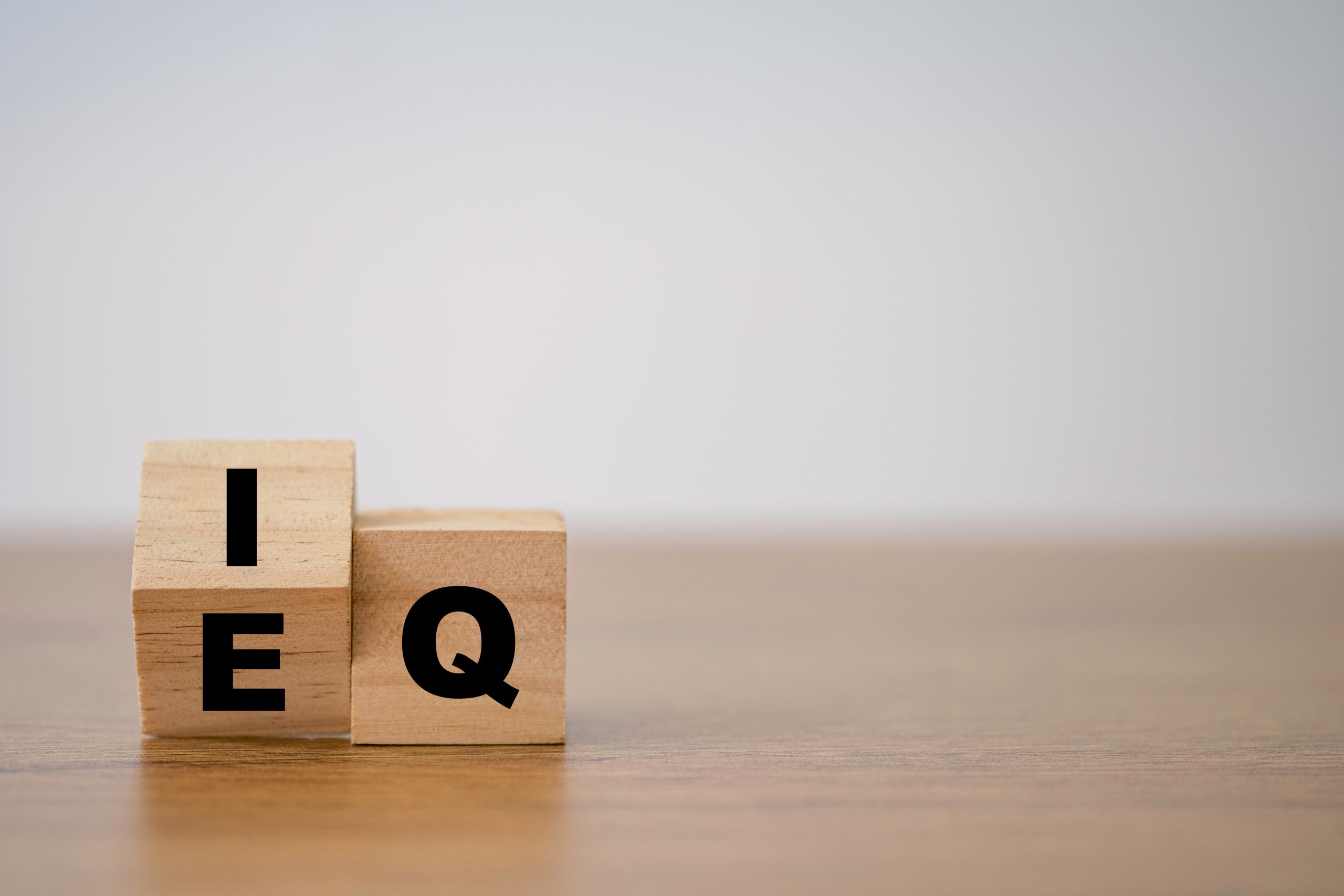
Emotional intelligence (EI or EQ) is one of the most powerful tools you can develop to succeed in relationships, work, and life. It's the ability to recognize, understand, and manage your own emotions while also being able to empathize with the emotions of others. Whether you're a student, entrepreneur, leader, or simply someone trying to navigate life better, improving your EQ can transform the way you connect with the world.
Get more than 50% discount on your next purchase. Click here to enjoy this offer now
Here’s how you can improve your emotional intelligence and harness its full benefits
Practice self-awareness
The first step to emotional intelligence is understanding your own emotions. Ask yourself: How am I feeling right now? Why do I feel this way? Journaling your emotions regularly can help you notice patterns in your behavior and reactions. It also helps you become more conscious of your emotional triggers and situations that evoke a strong emotional response in you. Being self-aware means being honest with yourself without being judgmental. The more in touch you are with your feelings, the better control you’ll have over them.
How to boost your confidence in social and business settings
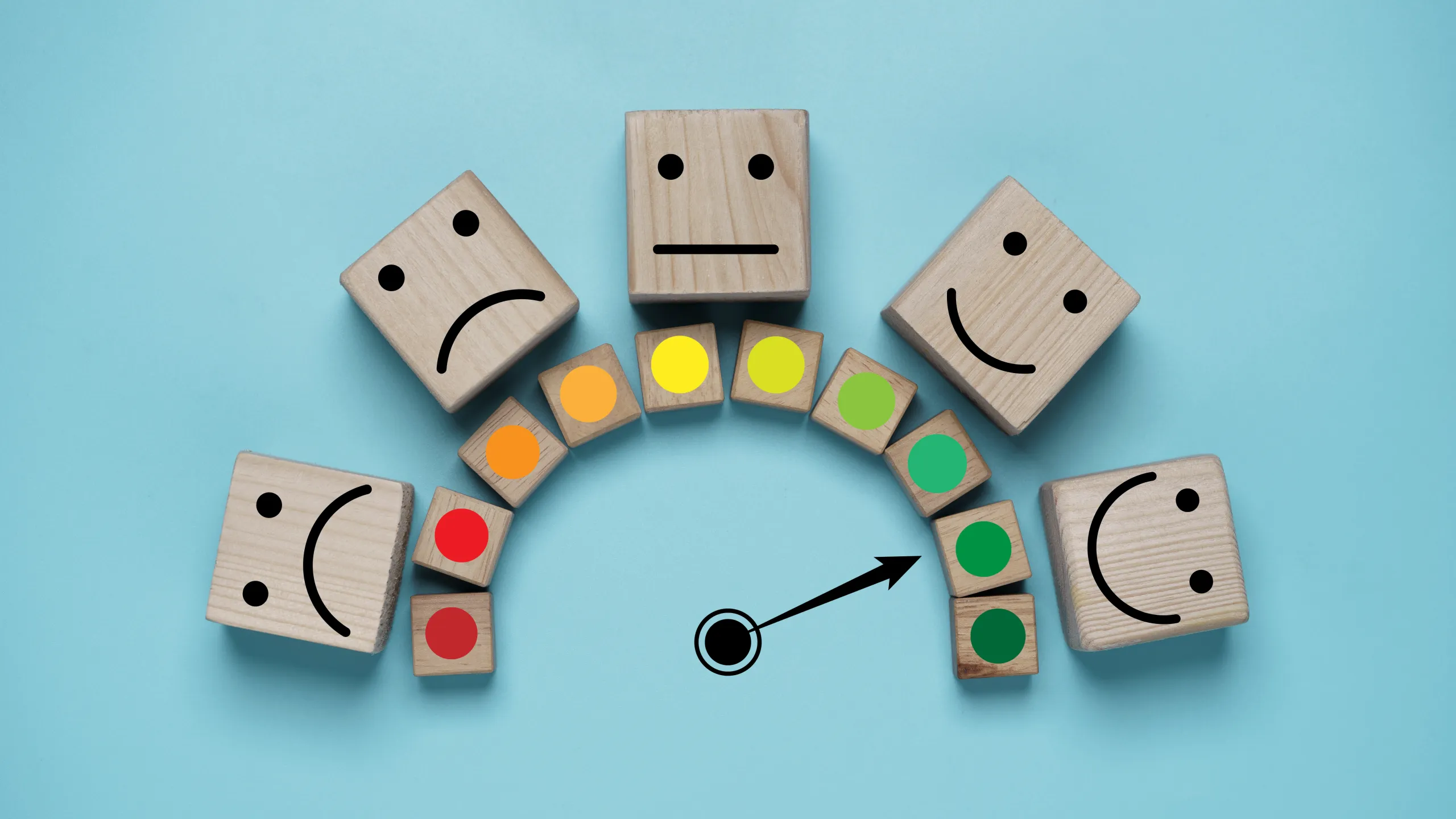
Manage your emotions
Emotional self-regulation is key. It’s not about suppressing your emotions but learning how to respond to them appropriately. When you're angry, can you pause before reacting? When you're anxious, can you calm yourself down? One practical way to build this skill is through mindfulness techniques like deep breathing or meditation. These tools train your brain to slow down, observe your emotions, and respond rather than react. Managing your emotions means staying composed under pressure and being able to make thoughtful decisions even when you're upset.
How to build meaningful relationships that truly matter
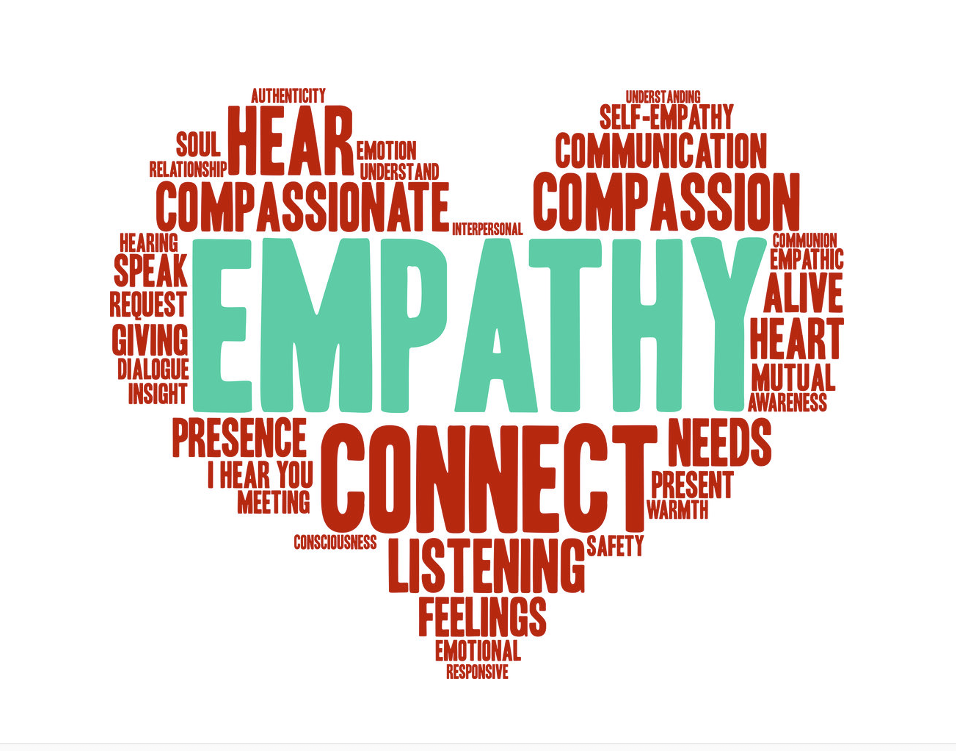
Improve your empathy
Empathy is the ability to understand and share the feelings of others. It’s a cornerstone of emotional intelligence and essential for building strong personal and professional relationships. To become more empathetic, practice active listening. This means really paying attention to what someone is saying, without interrupting or planning your response while they talk. Try putting yourself in others’ shoes. Ask open-ended questions like “How did that make you feel?” or “What was that experience like for you?” Over time, you’ll become more aware of emotional cues like body language, tone of voice, and facial expressions.
How to avoid burnout while staying productive: 7 tips that actually work
Develop better social skills
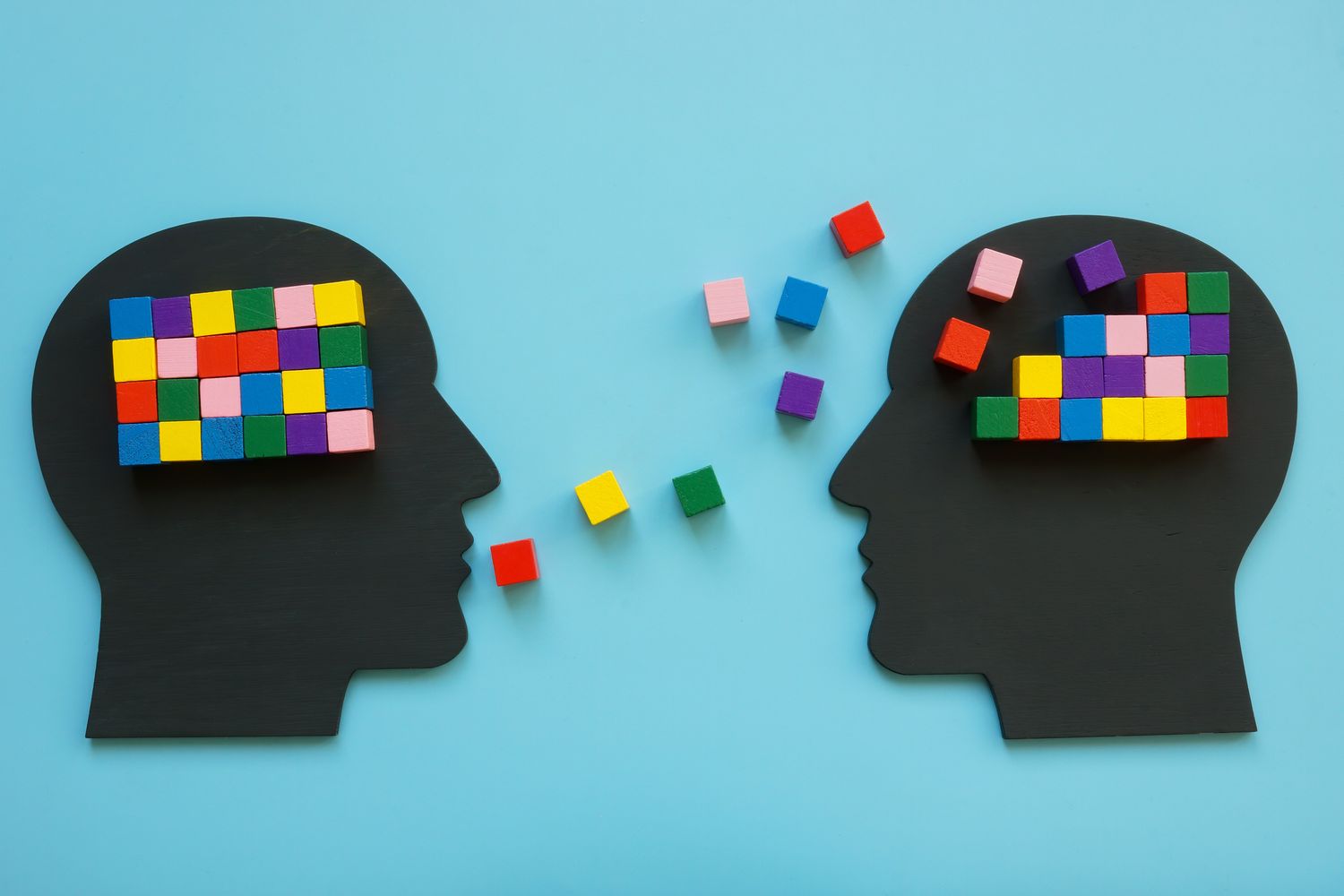
Having high EQ also means navigating social situations effectively. This includes resolving conflicts, giving constructive feedback, working well in teams, and expressing yourself clearly and respectfully. Practice open communication by being honest about your thoughts and feelings while remaining respectful of others. Building social skills takes time, so start with small things, like being more present in conversations, using people’s names when talking to them, or giving sincere compliments. These small gestures build trust and strengthen relationships.
9 habits of successful people you must learn

Learn to take criticism gracefully
One of the marks of emotionally intelligent people is how they respond to criticism. Instead of becoming defensive or shutting down, they view feedback as an opportunity for growth. When someone criticizes you, take a moment to process it. Ask yourself, Is there truth in what’s being said? What can I learn from this? Responding to criticism with curiosity rather than ego can open up new perspectives and help you grow both personally and professionally.
How to avoid burnout while staying productive: 7 tips that actually work
Practice gratitude and positivity
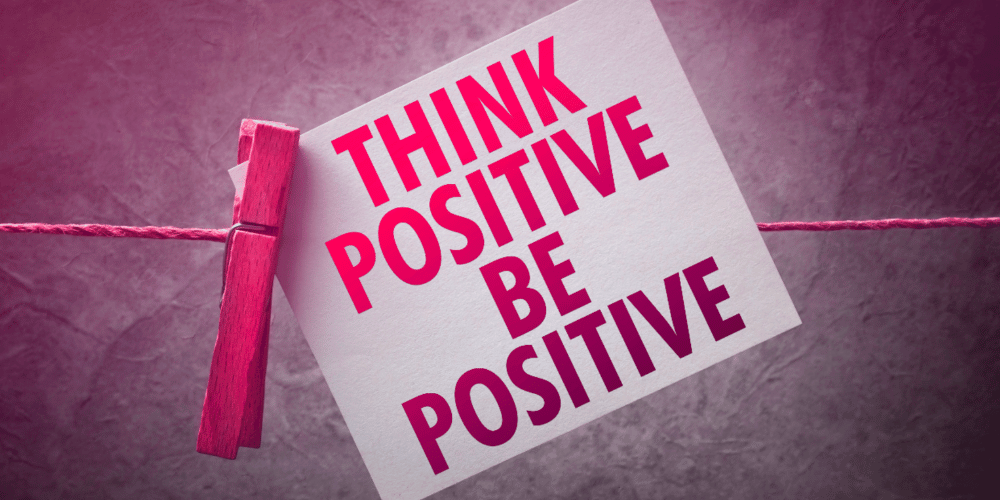
Emotionally intelligent individuals often radiate positivity, not because their lives are perfect, but because they choose to focus on what they’re grateful for. Practicing gratitude can help you shift from reactive emotions like frustration and jealousy to more constructive ones like joy and appreciation. Take a few minutes each day to write down what you're thankful for. Over time, this practice rewires your brain to see the good in situations and people, boosting both your mood and your relationships.
Get more than 50% discount on your next purchase. Click here to enjoy this offer now
The more emotionally intelligent you become, the more you’ll be able to thrive in every area of your life. Remember, success isn't just about how smart you are, it's about how well you understand and connect with yourself and others. That’s the true power of emotional intelligence.