HOW TO REGISTER A BUSINESS IN GHANA (2025 GUIDE)


Starting a business in Ghana is an exciting and empowering venture. Whether you're launching a fashion brand in Accra, opening a tech startup in Kumasi, or running a small food delivery service in Takoradi, one of your first official steps is registering your business. As of 2025, the process is more digital and streamlined than ever, thanks to updates at the Registrar General’s Department (RGD) and integration with other agencies like the Ghana Revenue Authority (GRA) and the Social Security and National Insurance Trust (SSNIT).
Get more than 50% discount on your next purchase. Click here to enjoy this offer now
In this blog post, we'll walk you through how to register a business in Ghana step-by-step and give you tips to make the process smooth and stress-free.

Step 1: Choose Your Business Type
Before registering, decide on the legal structure of your business. Common types include:
Sole Proprietorship – One-person ownership, simple and fast to register.
Partnership – Two or more people running the business together.
Company Limited by Shares – Ideal for startups that may want investors.
Company Limited by Guarantee – Mostly for NGOs or non-profit organizations.
External Company – For businesses registered outside Ghana but operating in Ghana.
Your business type will determine your obligations, tax structure, and how you raise capital.
the best-temporary workspaces in Accra

Step 2: Conduct a Name Search
Head to the Registrar General’s Department (RGD) website or visit their office physically to perform a name availability search. Your business name must be unique and not infringe on any existing name. Once your name is approved, it will be reserved for 30 days, and you can proceed to the next steps.
Tip: Choose a name that reflects your brand, is easy to remember, and is aligned with your business vision.
10 simple productivity hacks to get more done in less time
Step 3: Complete the Required Forms
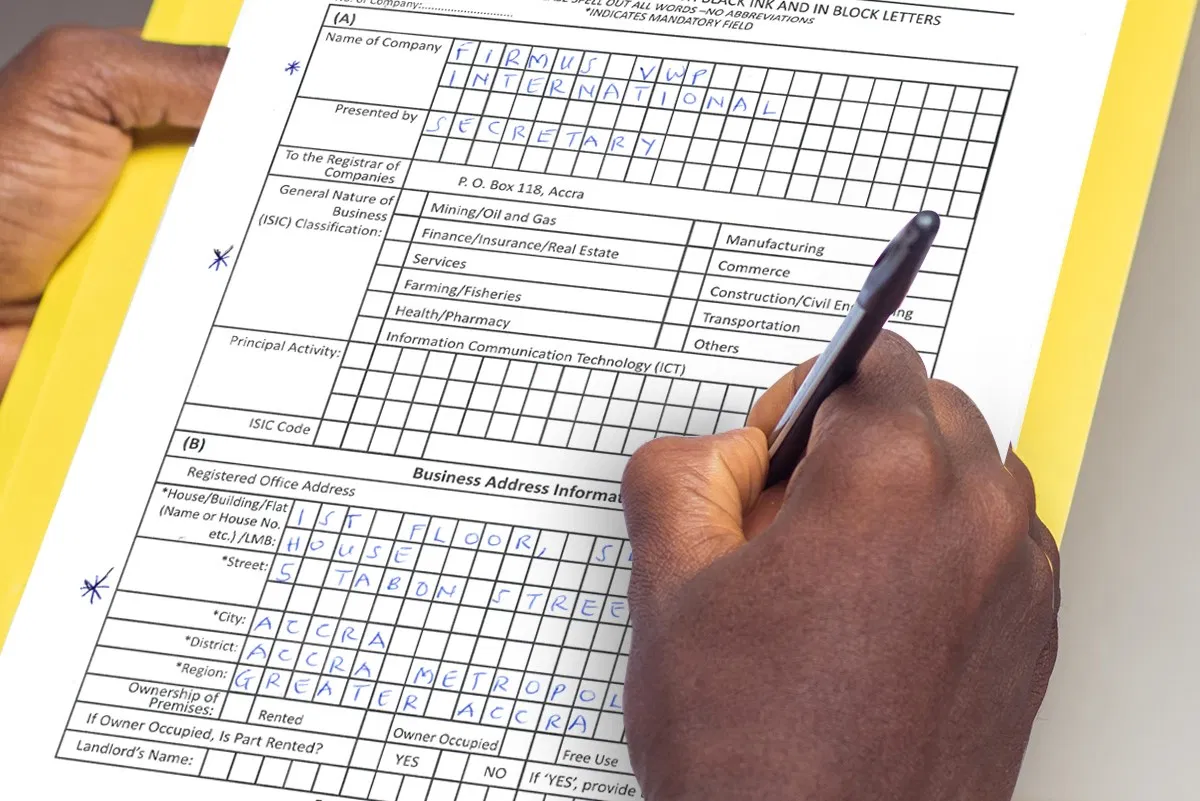
You’ll need to fill out specific registration forms depending on your business type. In general, for a Company Limited by Shares, you'll be required to provide:
Company regulations (constitution)
Form 3 (Company Particulars)
Form 4 (Details of Directors and Secretary)
Form 8 (Declaration of compliance)
Beneficial Ownership Form
For Sole Proprietorship, the process is simpler and requires fewer forms.
You can download forms online at: www.rgd.gov.gh

How to use social media to grow your business in Ghana
Step 4: Pay the Registration Fees
Registration fees vary depending on the business type:
Sole Proprietorship: Around GH₵ 60 – GH₵ 100
Company Limited by Shares: Between GH₵ 330 – GH₵ 500, depending on the stated capital.
Additional costs include stamp duty and processing fees.
Payments can be made via mobile money, bank deposit, or at the RGD cashier’s office.
5 lucrative small busines ideas in Ghana you can start today
Step 5: Submit Documents
Submit your completed forms, name reservation confirmation, payment receipt, and identification documents (passport, Ghana card, etc.) at the RGD office or via their online portal.
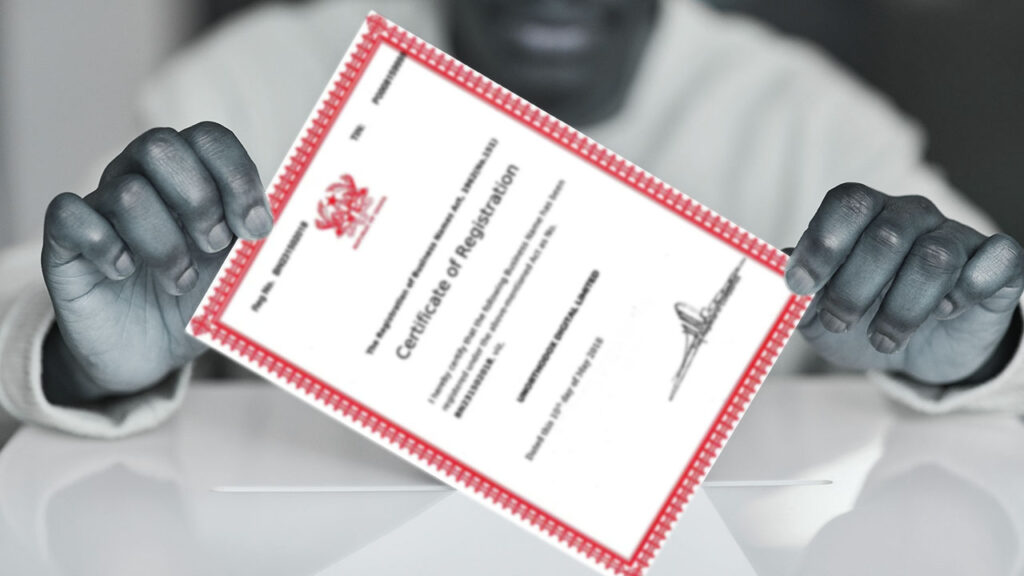
If everything is in order, you’ll receive:
Certificate of Incorporation
Certificate to Commence Business
Company TIN (Tax Identification Number)
Everything you need to know before investing in a business in Ghana

Step 6: Register for Tax and Social Security
Once incorporated, register your business with the Ghana Revenue Authority (GRA) for tax obligations, including:
Corporate Income Tax
VAT (if applicable)
PAYE (if you’ll be hiring employees)
You’ll also need to register with SSNIT if you plan to employ staff. This ensures you’re compliant with Ghana’s labour and pension laws.
How to advertise your business in Ghana without spending too much

Step 7: Open a Business Bank Account
With your business documents and TIN in hand, you can now open a business bank account. Most banks in Ghana will require:
Certificate of Incorporation
TIN Certificate
Company Regulations
Valid ID of directors
Proof of address
A step by step guide to investing on the Ghana Stock Exchange

Optional: Apply for Licenses & Permits
Depending on your industry, you may need extra licenses. For example:
Food vendors need FDA certification.
Transport businesses require permits from the DVLA or Ministry of Transport.
Tourism-related businesses must register with the Ghana Tourism Authority.
Get more than 50% discount on your next purchase. Click here to enjoy this offer now
Registering a business in Ghana in 2025 is more efficient than ever, with digital tools making it easier for entrepreneurs to formalize their hustle. By going through these steps, you not only gain legal protection but also open doors to funding, partnerships, and long-term growth.