HOW TO STOP IMPULSE SPENDING AND TAKE CONTROL OF YOUR FINANCES


We've all been there: walking through the mall, scrolling on Jumia or Instagram, and suddenly you spot something that looks too good to pass up. It could be a trendy outfit, the latest phone accessory, or a discounted kitchen gadget you didn’t even know you needed until now. You didn’t plan for it, but somehow, your wallet takes the hit. That’s impulse spending. And while the occasional splurge isn’t necessarily harmful, making it a habit can wreck your budget, derail your financial goals, and leave you wondering where all your money went.
Get more than 50% discount on your next purchase. Click here to enjoy this offer now
If you’re tired of living paycheck to paycheck or feeling guilty after every spontaneous purchase, here’s how to put an end to impulse spending and build healthier financial habits instead.

Understand the psychology behind impulse spending
Impulse spending is often emotional, not logical. It’s triggered by feelings like stress, boredom, excitement, or even insecurity. Spontaneous spending might offer temporary relief, but it doesn’t solve the underlying issues. Start by identifying your emotional triggers. Do you shop when you’re stressed? Lonely? Celebrating a win? Once you're aware of these patterns, it becomes easier to catch yourself before you make an unnecessary purchase.
Accra living: Smart hacks for your wallet
Create and stick to a realistic budget
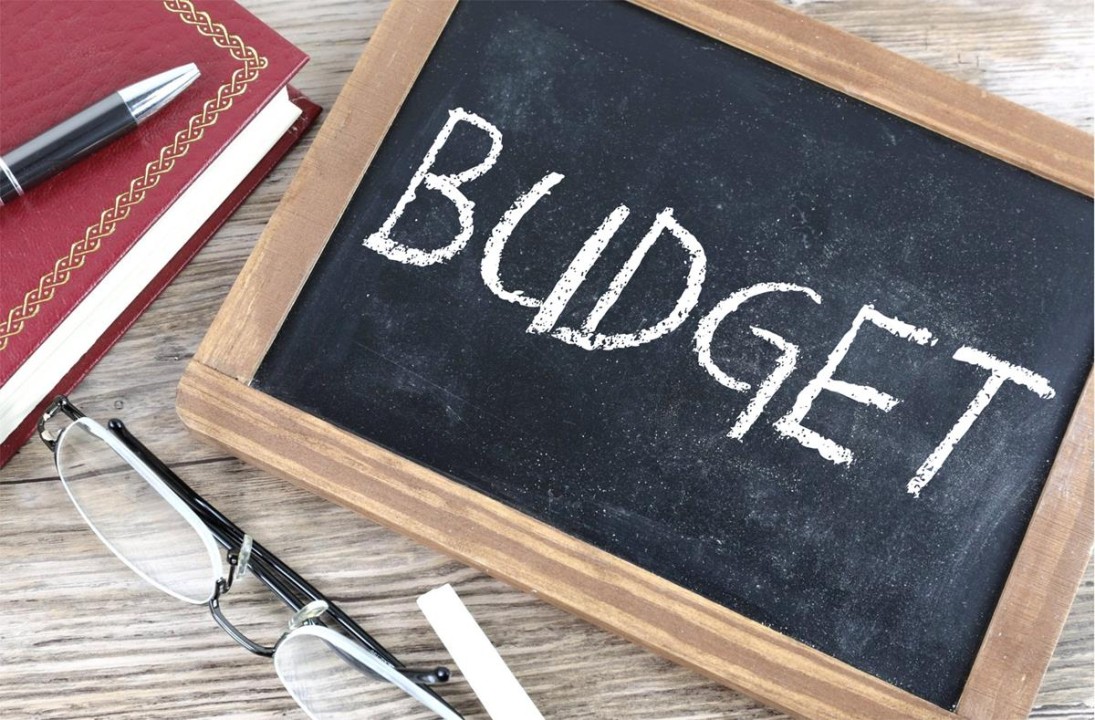
One of the most effective ways to curb impulse buying is by having a budget that gives every cedi a job. Start with your income and list out all your expenses: rent, food, transportation, savings, etc. Then set a monthly spending limit for non-essentials. When you see where your money is going, you’ll be more conscious of how much you spend on things you don’t need.
9 habits of successful people you must learn
Use the 24-hour rule
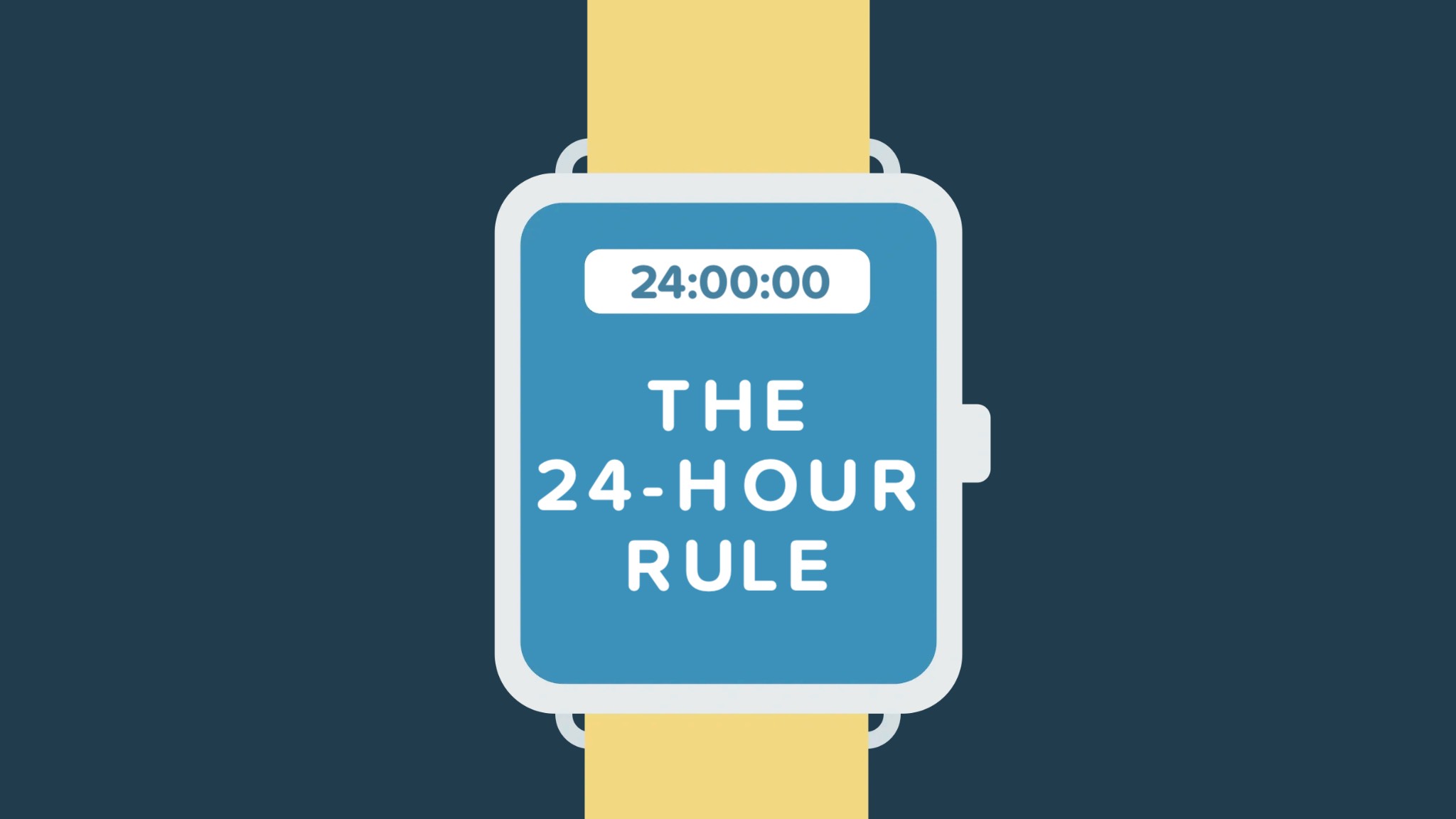
If something catches your eye that you didn’t plan for, pause. Don’t buy it immediately. Instead, apply the 24-hour rule: wait a full day (or longer for expensive items) before making the purchase. You’ll often find that the excitement fades, and you no longer feel the urge to buy it. Applying this rule will help you control the urge to spend on impulse.
7 signs you need a digital detox

Avoid temptation traps
Impulse spending thrives in environments designed to make you buy. Unsubscribe from promotional emails, unfollow brands on social media that constantly tempt you, and avoid “just browsing” your favorite online stores when you’re bored. Also, avoid shopping while emotional or hungry; both states are known to lead to less rational spending choices.
Step by step guide to overcoming gambling addiction

Practice mindful spending
Before every purchase, ask yourself: Do I really need this? Will I use it often? Does it add value to my life? Can I afford it without dipping into savings or debt? Being honest in those moments helps you separate true needs from temporary wants.
Get more than 50% discount on your next purchase. Click here to enjoy this offer now

Set financial goals that motivate you
It’s easier to resist temptation when you have something bigger to look forward to. Whether it’s saving for a vacation, investing in your business, or building an emergency fund, clear goals keep you focused. Draw up a vision board with all the goals you’ve set to remind yourself why you’re saying “no” today.
Everything you need to know before investing in a business in Ghana
Breaking free from impulse spending doesn’t mean you can’t enjoy your money. It simply means being intentional. When you align your spending with your values and goals, you get more satisfaction from your purchases and less stress when checking your bank account. Like any habit, it takes practice, but the payoff is worth it.