HOW TO TRAIN YOUR ATTENTION SPAN IN A DISTRACTED SOCIAL MEDIA ERA

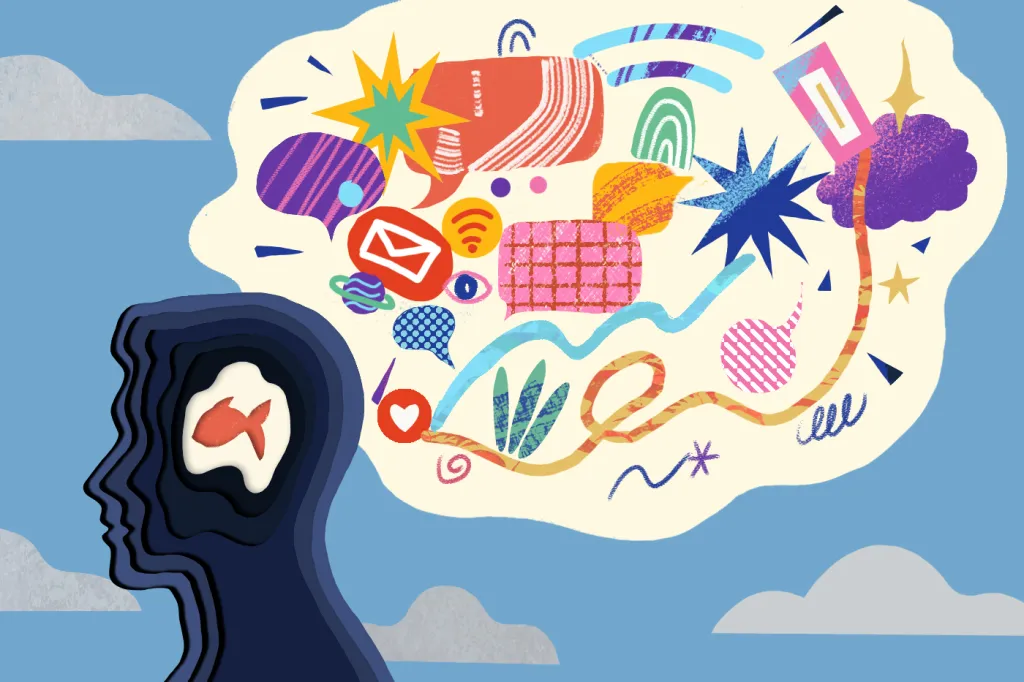
We live in a world of constant stimulation. Notifications, short videos, endless scrolling, viral trends, breaking news, group chats, and memes, all fighting for your attention, every single second. You sit down to work, but five minutes later you're checking something “real quick.” Before you know it, an hour is gone. This isn’t because you’re lazy or undisciplined, it’s because the digital world is literally designed to fragment your focus. Silence feels boring, stillness feels like wasted time, and deep focus feels heavy.
Get more than 50% discount on your next purchase. Click here to enjoy this offer now
But here’s the truth: your attention span is not dead, it’s just untrained. And just like a muscle, it can be rebuilt by following these tips.
Understanding the damage first
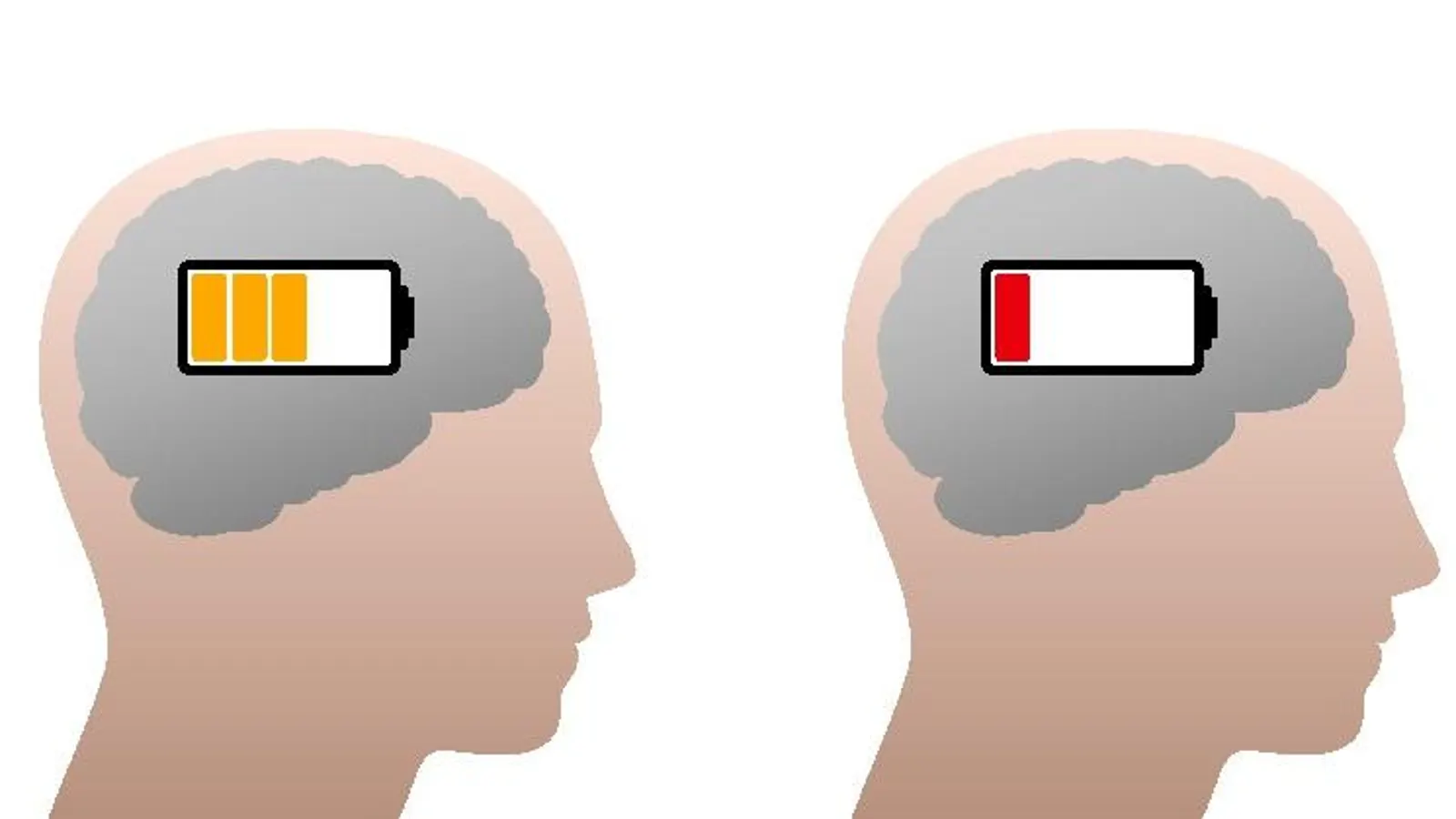
Your brain adapts to whatever environment it lives in. If it’s trained on speed, it becomes fast but shallow. If it’s trained on depth, it becomes slow but powerful. When you constantly consume short-form content, your brain starts craving stimulation instead of meaning. You stop enjoying long conversations, deep books, focused work, and even long movies without checking your phone. Rebuilding your attention span is about retraining your mind to tolerate depth again.
7 do's and dont's in the morning that can shape your entire day
Start with mental silence
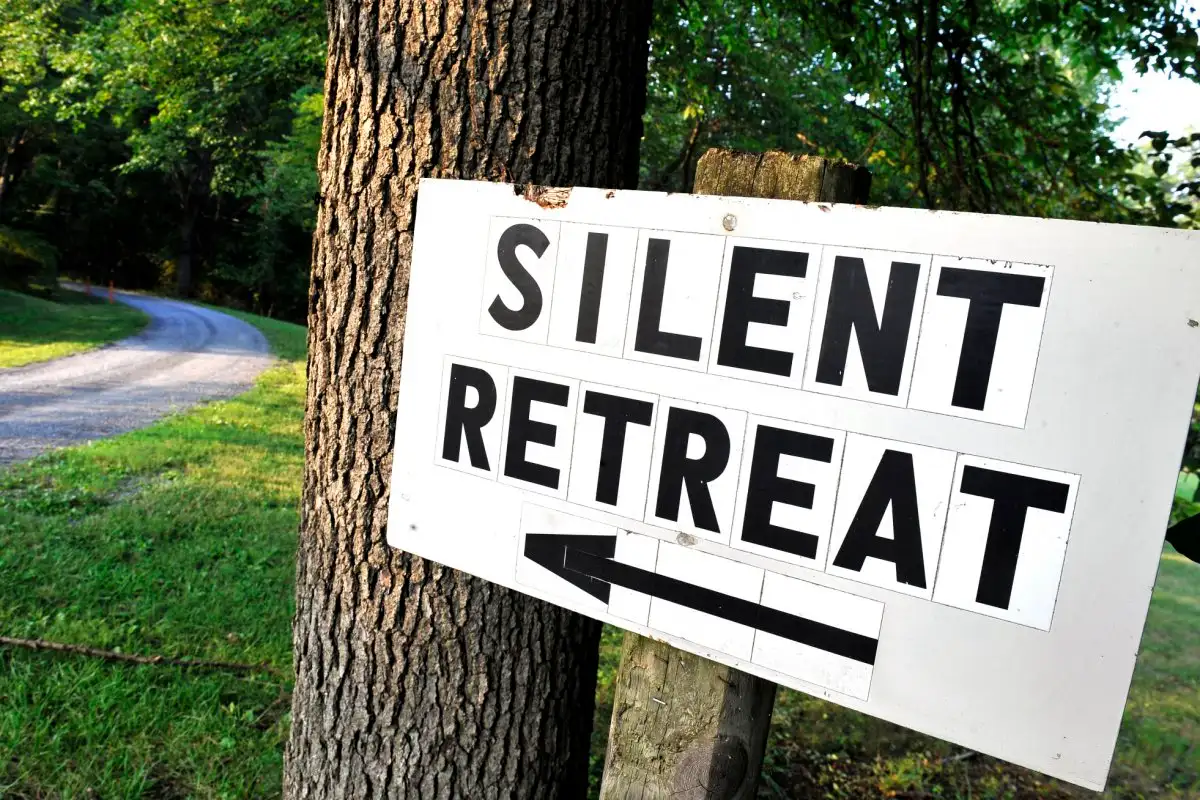
One of the most powerful things you can do is reintroduce boredom into your life. No phone while waiting. No scrolling while eating. No background videos while working. No constant noise. Silence feels uncomfortable at first because your brain is addicted to stimulation, but that discomfort is the training. If you can’t sit in silence for five minutes without reaching for your phone, that’s your starting point.
8 practical tips to help you build real mental toughness

Create “focus zones” In your day
Your attention span doesn’t rebuild randomly, it rebuilds through structure. Create specific periods where your mind learns one rule: single-tasking only. Whether it’s reading, writing, studying, working, or learning, give your brain one task and let it stay there. Even 20–30 minutes daily is powerful. This trains your mind to stay with one thing instead of jumping between everything.
Mental health practices to prioritize this year
Shift from consumption to creation
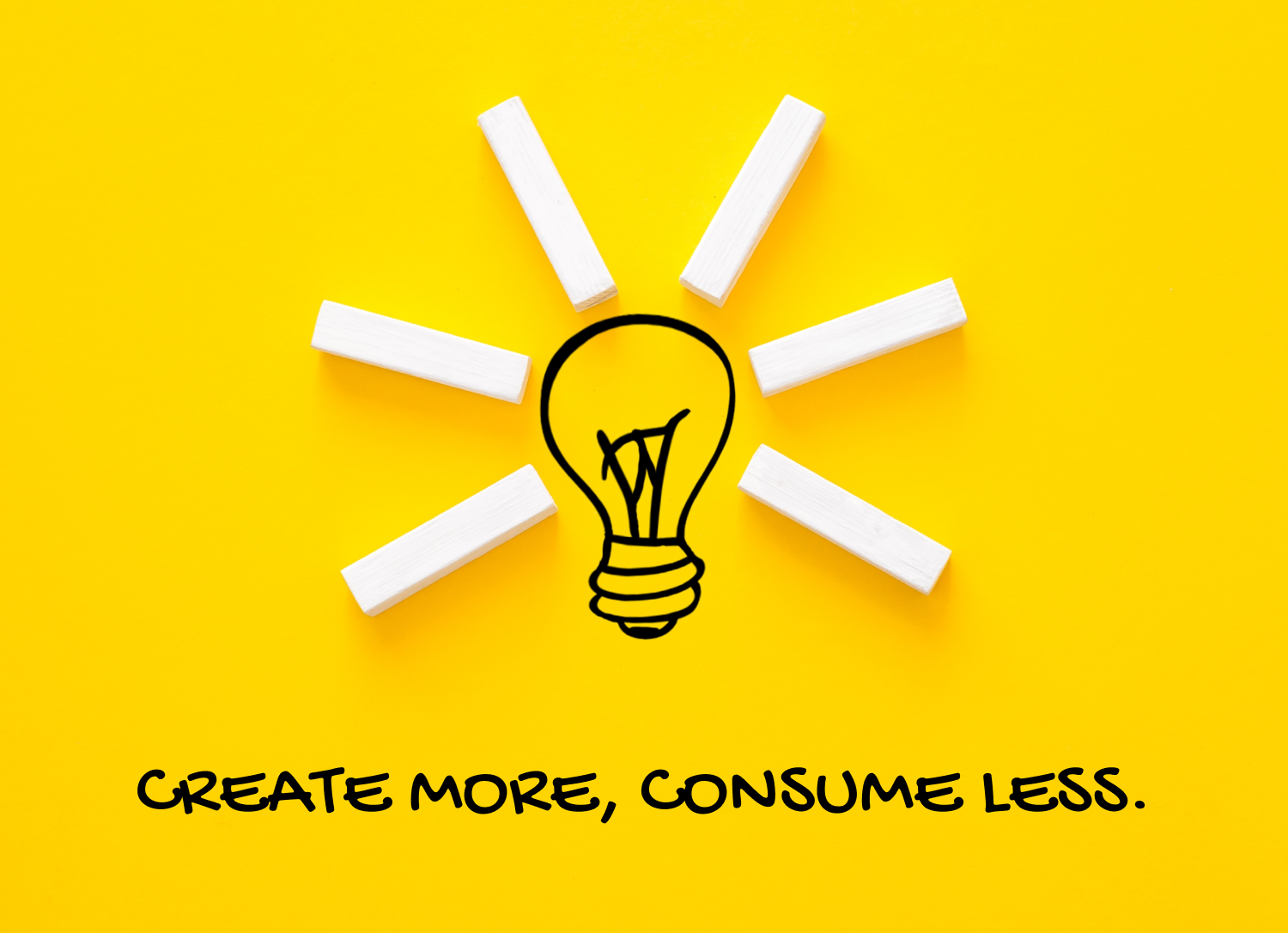
Endless consumption weakens attention, creation strengthens it. When you move from consuming content to producing something no matter how small it is, your brain switches modes. You move from passive to active, from distracted to intentional, from scattered to centered. Your attention span grows where your effort goes.
10 simple habits that can completely change your life this year
Digital detox is a must
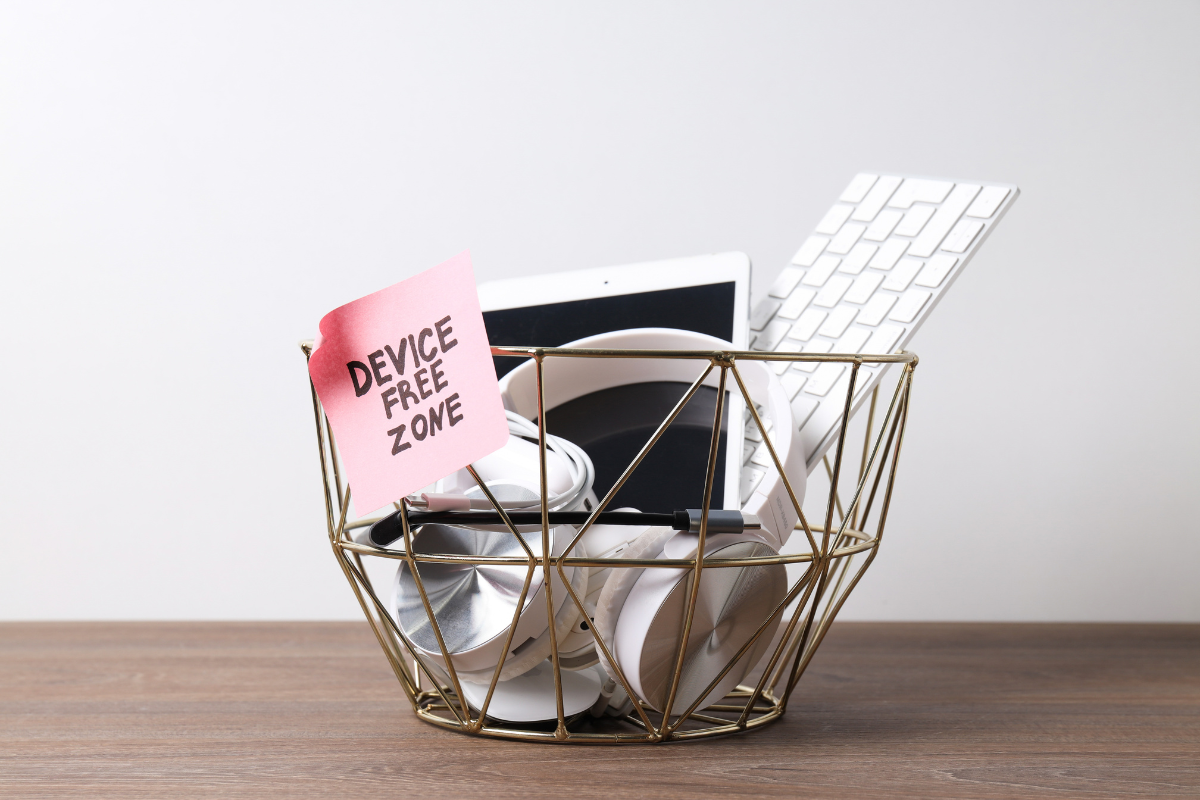
Digital detox doesn’t necessarily mean disappear from the internet. It simply means you need to set boundaries and limit when it comes to your online consumption and presence. Don’t start your day with your phone. Don’t end your day with endless scrolling. Don’t train your brain to expect stimulation every minute. Your mind needs recovery time, just like your body.
Digital habits that are draining your energy that you don't even notice
Consume more long-form content
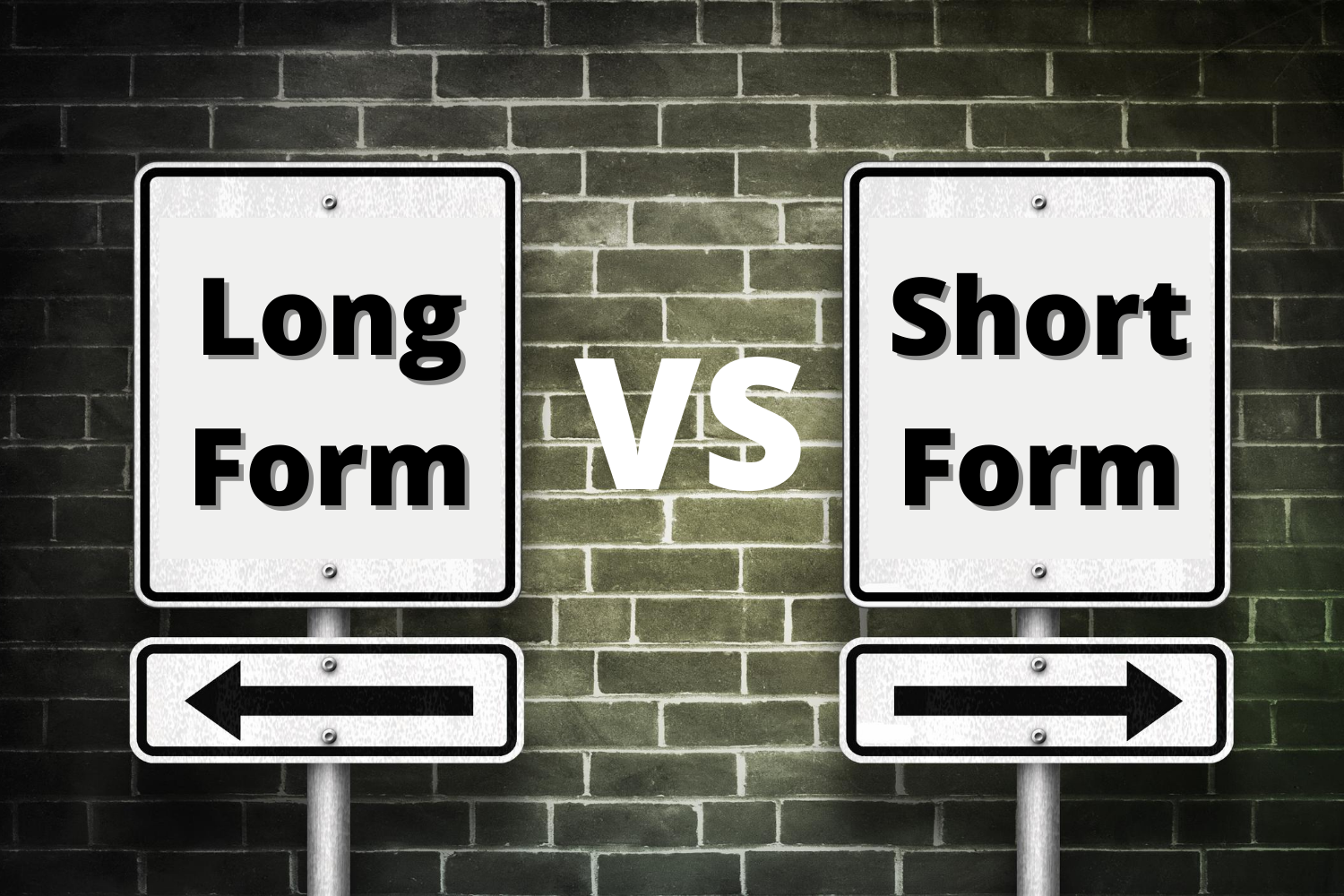
Regular consumption of short content shrinks attention. Long content such as articles, books, essays, long-form videos, podcasts, and deep conversations help to develop your attention span. At first, it will feel difficult. Your brain will want to escape. That resistance is the rebuilding process. Attention span returns through friction, not comfort.
Get more than 50% discount on your next purchase. Click here to enjoy this offer now
Rebuilding your attention span isn’t just about productivity, it’s about identity. In a world designed to fragment you, the most powerful thing you can do is become whole again. Because in the end, the real flex isn’t how fast you scroll, it’s how long you can concentrate, how deeply you can think, and how clearly you can live.