THE ULTIMATE GUIDE TO BUDGETING FOR YOUR TRIP TO GHANA: WHAT EVERY TOURIST NEEDS TO KNOW

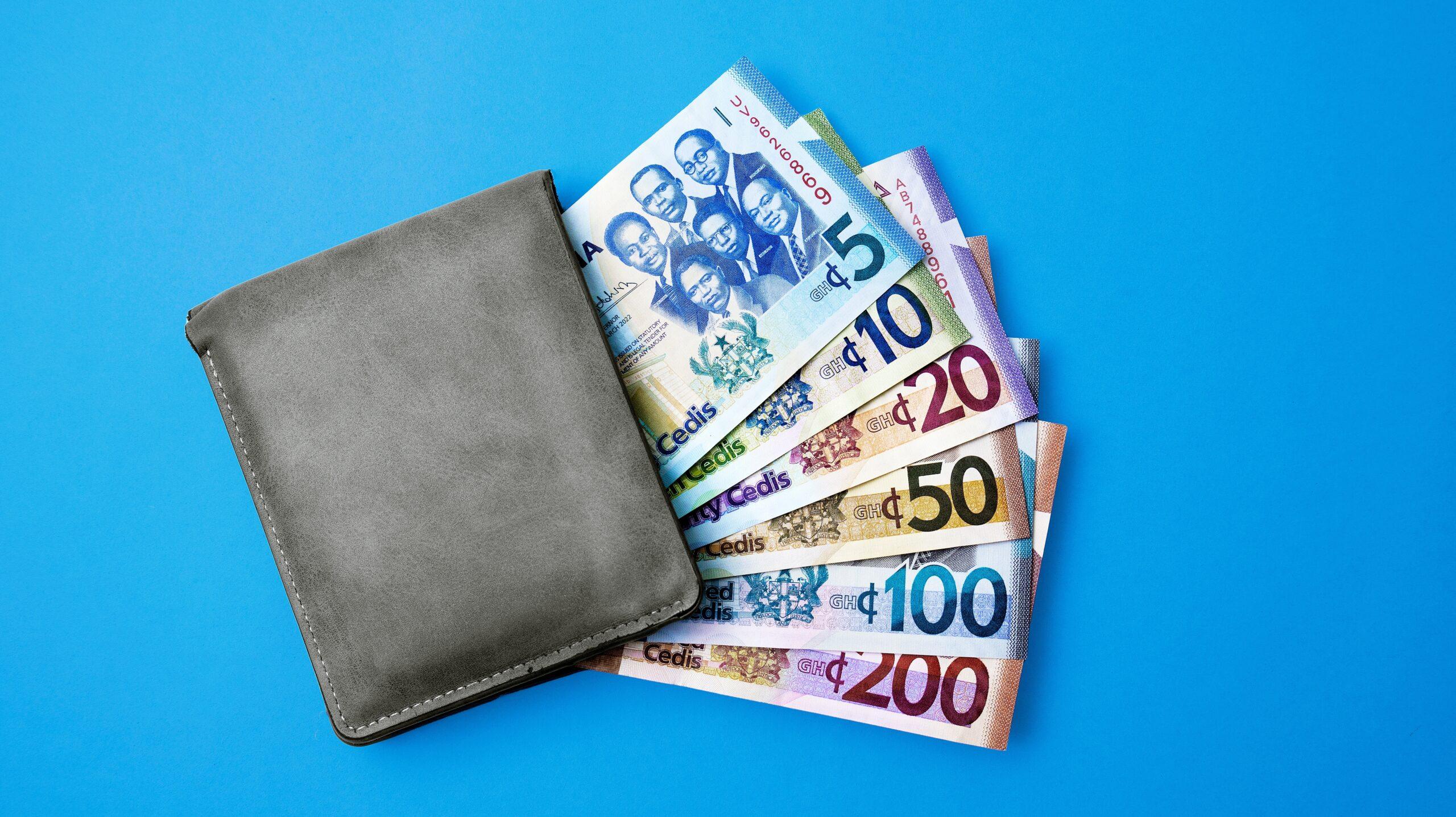
Traveling to Ghana is an experience filled with culture, history, and incredible hospitality. But like any destination, understanding how money works locally can make or break your trip. Budgeting in Ghana isn’t just about converting your currency into cedis, it’s about understanding how Ghanaians spend, save, and navigate daily expenses. Once you grasp that, you’ll move smarter, spend better, and enjoy more.
Get more than 50% discount on your next purchase. Click here to enjoy this offer now
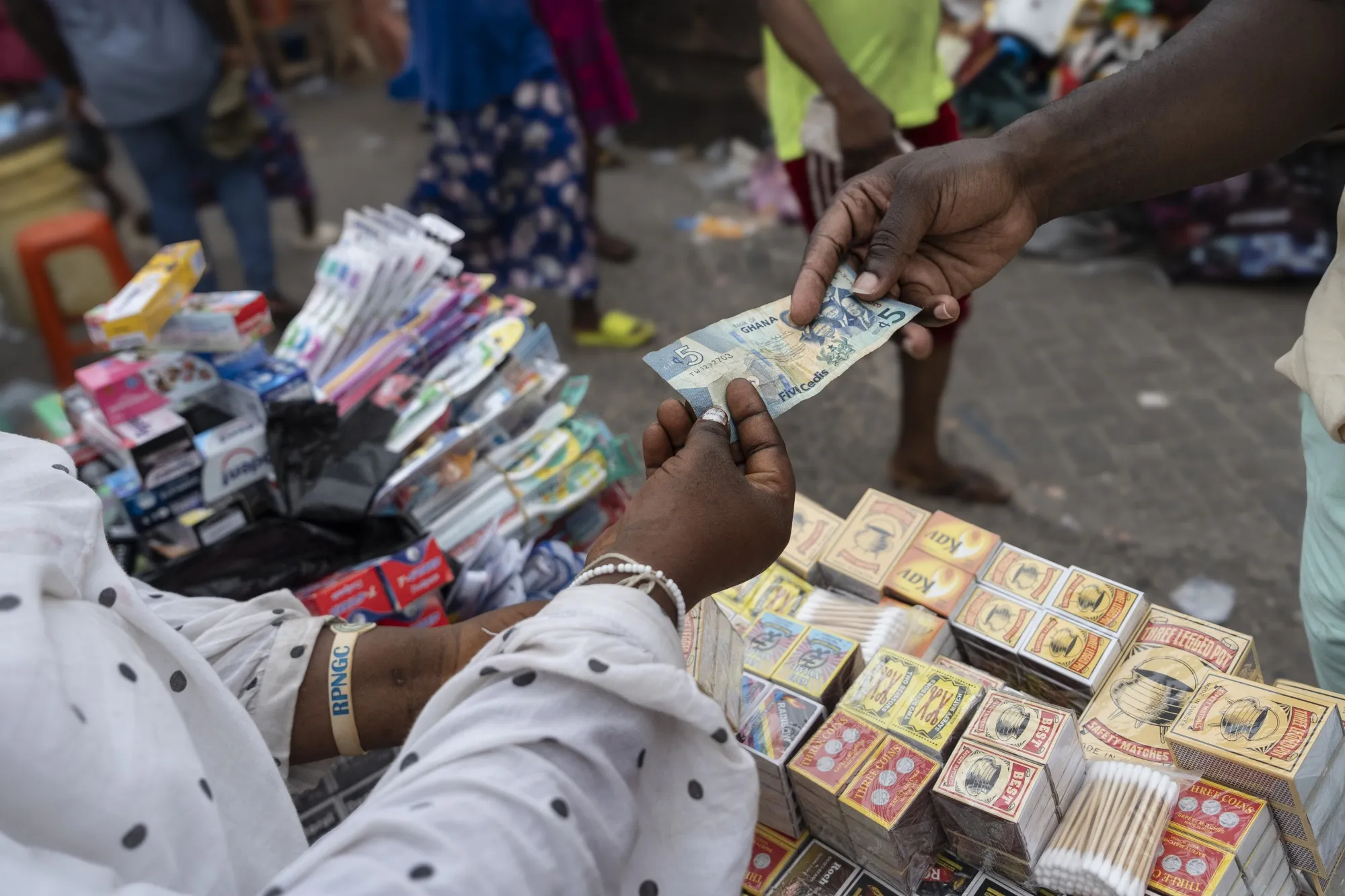
One of the first things to understand is that Ghana operates largely on a cash-driven economy, although digital payments are quickly growing. While you’ll find card payment options in upscale restaurants, hotels, and malls, many everyday transactions are done with cash or mobile money. Mobile money, commonly known as “MoMo,” is a dominant financial tool used by locals for everything from paying for food to sending money across the country. As a tourist, you may not rely heavily on MoMo, but it helps to know that this system keeps transactions fast and flexible for locals.
First time traveling out of Ghana? Here's everything you need to know
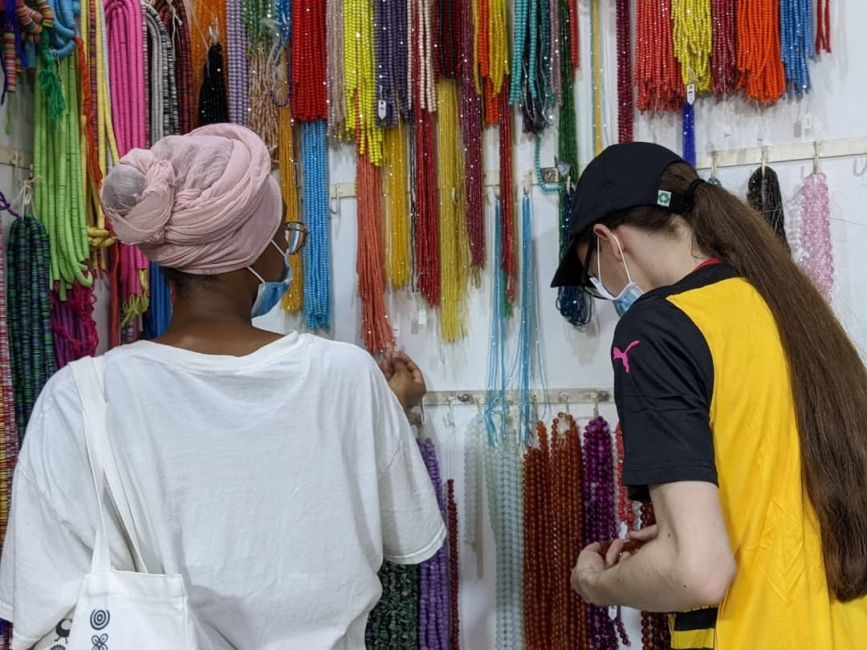
When it comes to general spending habits, Ghanaians are highly value-conscious. Bargaining is a normal part of life, especially in markets and with informal vendors. Prices are not always fixed, and negotiating respectfully can often get you a better deal. As a tourist, you may initially be quoted higher prices, but with a bit of patience and friendliness, you can usually arrive at a fair amount.
The best hiking trails in Ghana that deserve a spot on your adventure list
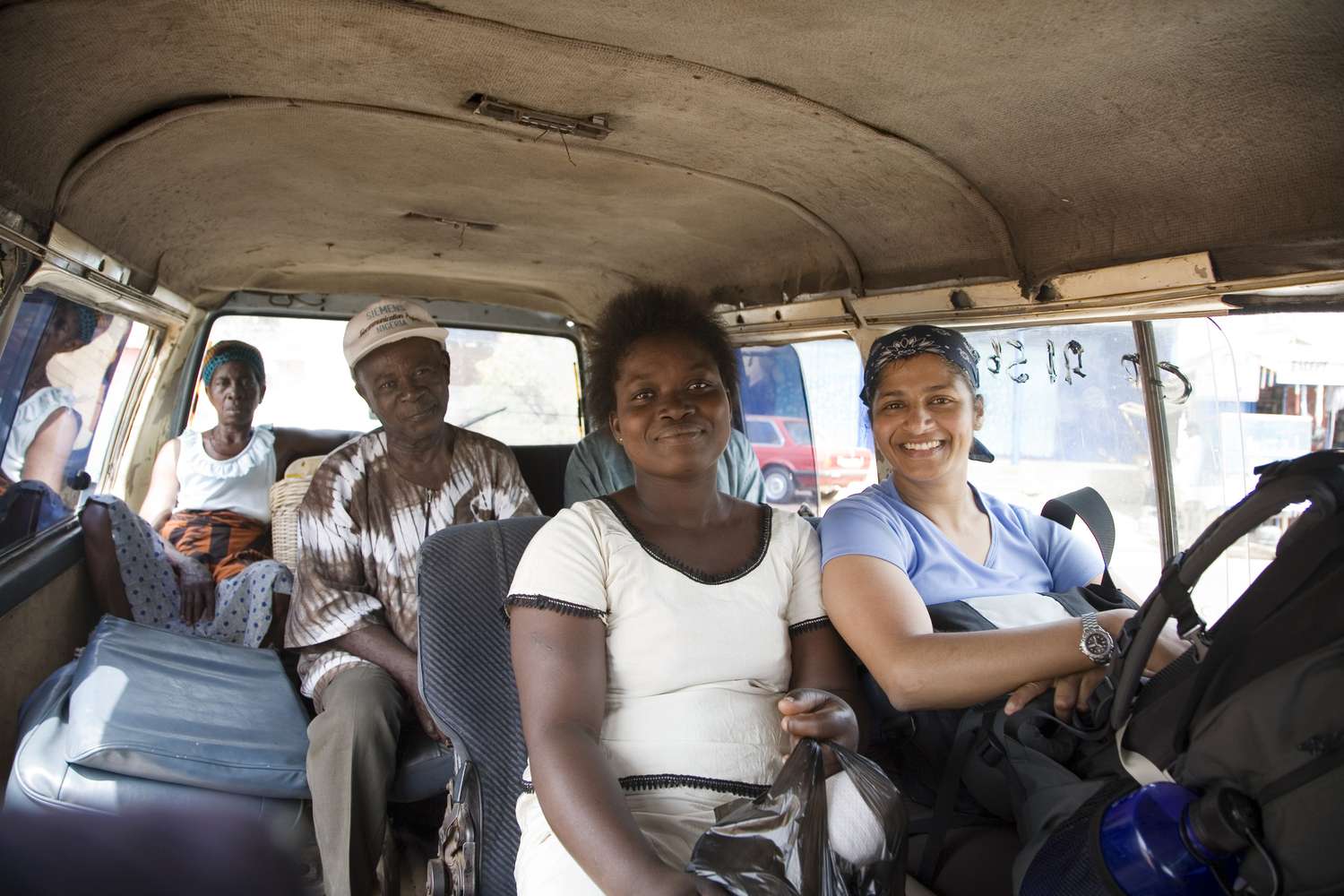
Transportation is another area where budgeting requires attention. Public transport is very affordable but may feel unfamiliar if you’re not used to it. Shared minibuses known as “trotros” are the cheapest way to get around, though they can be crowded and less predictable. Ride-hailing apps and taxis are more comfortable but cost more. Many Ghanaians balance cost and convenience depending on their daily needs, and as a tourist, you can do the same.
The culture shocks every first-time visitor to Ghana should expect
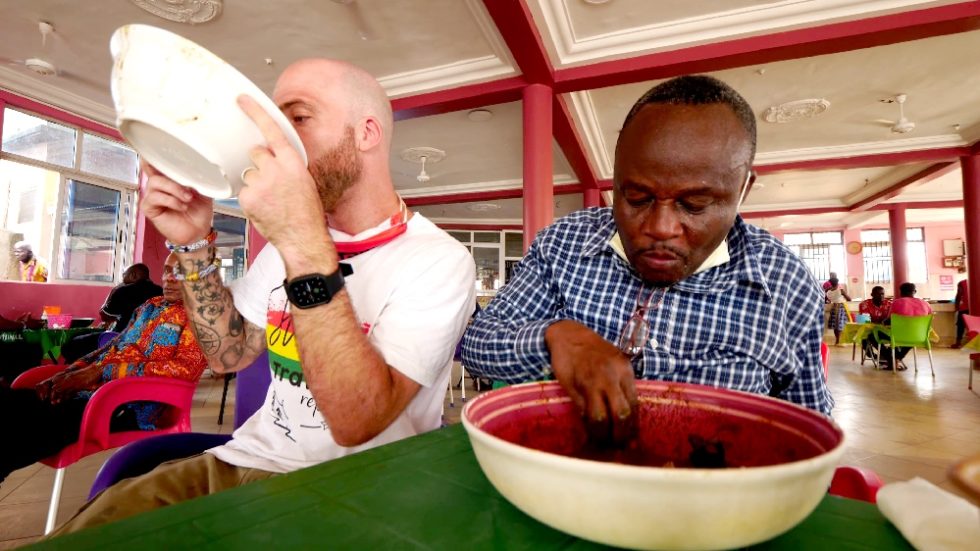
Food is one of the highlights of visiting Ghana, and luckily, it can fit almost any budget. Street food and local chop bars offer delicious meals at very affordable prices, often just a fraction of what you’d pay at a high-end restaurant. Many locals eat this way daily not just because it’s cheaper, but because it’s authentic and satisfying. If you’re trying to manage your budget, mixing local food experiences with occasional restaurant dining is a smart approach.
One day in Accra: The perfect itinerary for first-time visitors
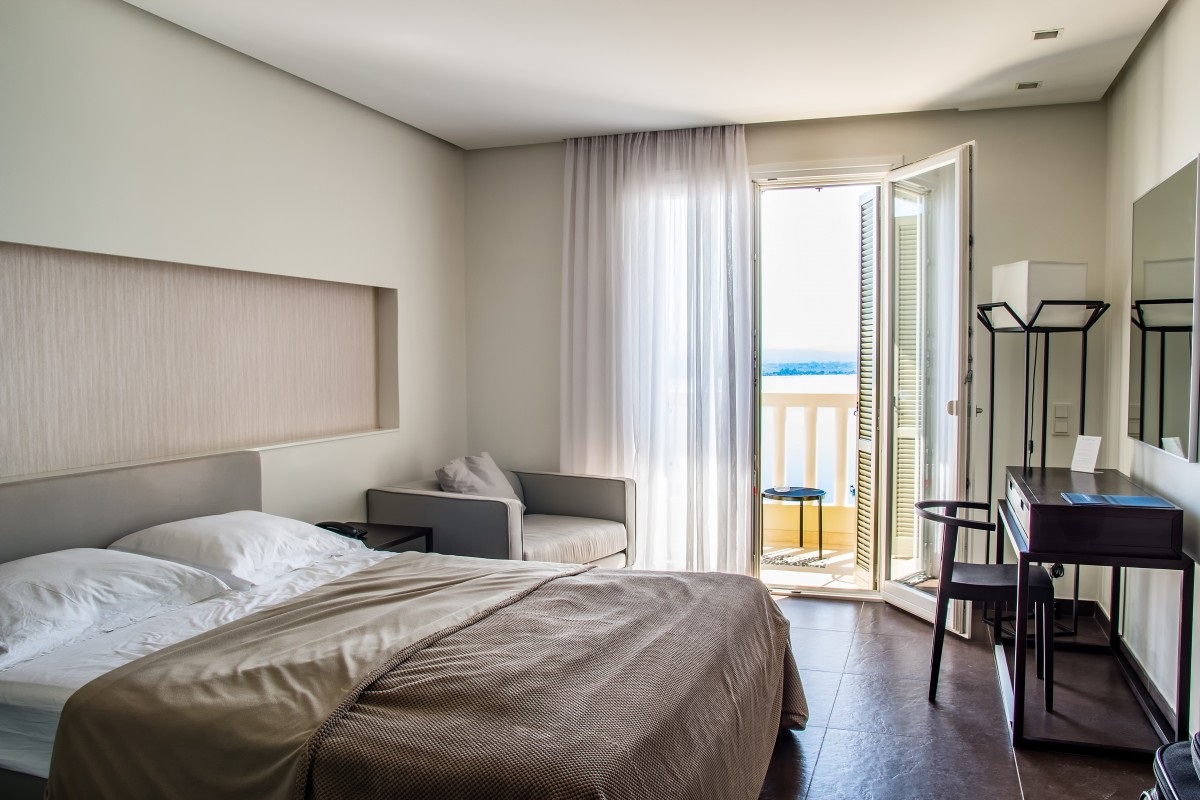
Accommodation varies widely, from budget guesthouses to luxury hotels. Ghanaians often prioritize practicality when it comes to lodging, and you’ll find many affordable yet comfortable options if you look beyond the most commercial areas. Booking in advance can help secure better deals, especially during peak travel seasons like December.
Living in Ghana as an expat: What to expect
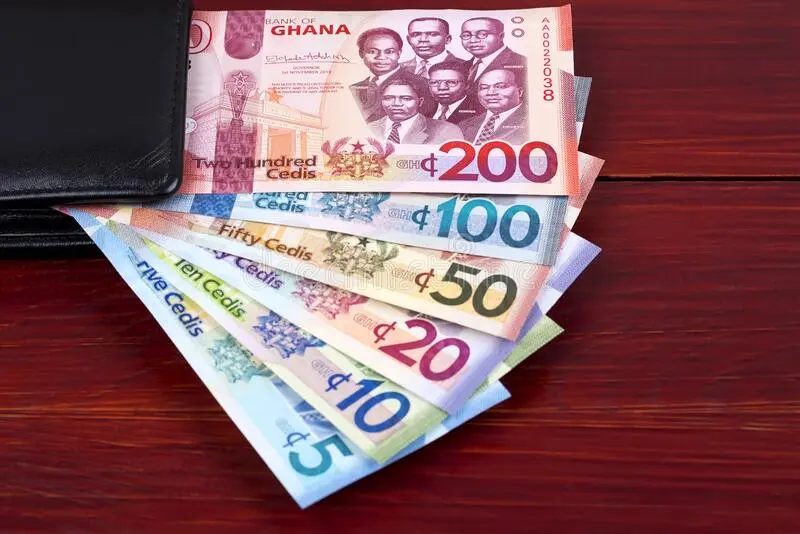
It’s also important to account for hidden or less obvious costs. Tips, small fees, and spontaneous purchases can add up quickly. While tipping is not strictly mandatory everywhere, it is appreciated in many service settings. Additionally, always keep small denominations of cash handy, as getting change for large notes can sometimes be a challenge.
8 common mistakes tourists make in Ghana and how to avoid them
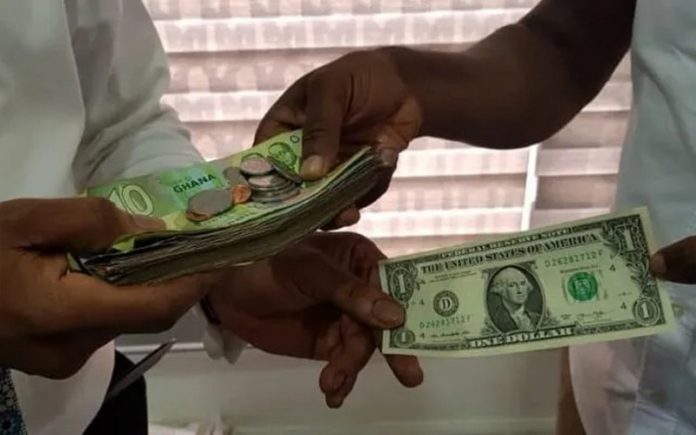
Lastly, currency fluctuations can affect your budget. The Ghanaian cedi can vary in value, so it’s wise to monitor exchange rates and exchange money in reasonable amounts rather than all at once. Many Ghanaians themselves are very aware of price changes and adjust their spending habits accordingly.
Get more than 50% discount on your next purchase. Click here to enjoy this offer now
In the end, budgeting for a visit to Ghana isn’t about limiting your experience,it’s about enhancing it. By understanding how locals navigate money, you gain insight into the rhythm of daily life. You spend smarter, connect better, and ultimately experience Ghana in a more authentic and rewarding way.