9 SIGNS YOU SHOULD SEE A DOCTOR ASAP


In today’s fast-paced world, many of us shrug off discomfort, pain, or weird symptoms, hoping they’ll just go away on their own. While some minor ailments do resolve with rest, hydration, or over-the-counter medicine, there are certain red flags that should never be ignored. Your body is always speaking to you sometimes in whispers, and other times in alarms. Recognizing the difference could save your life.
Get more than 50% discount on your next purchase. Click here to enjoy this offer now
Here are 9 signs you should see a doctor as soon as possible.

Persistent or high fever
A fever is your body’s natural response to infection, but if your temperature hits (39.4°C) or higher, or lasts more than three days, it’s time to see a doctor. High or lingering fevers may indicate serious infections like pneumonia or malaria, therefore it is important you treat such symptoms with urgency.
6 natural ways to boost your immune system and stay healthy

Sudden or severe headaches
We all get headaches from stress, dehydration, or eye strain. But if you experience a sudden, intense headache unlike anything you’ve had before, especially if it comes with nausea, confusion, or vision changes, don’t wait. It could be a sign of a stroke, aneurysm, or meningitis.
6 early signs your kidney might be failing

Unexplained weight loss
Losing weight without dieting or increasing physical activity might sound great, but it’s often a red flag. Unexplained weight loss could point to thyroid issues, diabetes, digestive disorders, or even cancer. Always investigate unexpected weight changes.
How to get clear and glowing skin in Ghana's hot weather
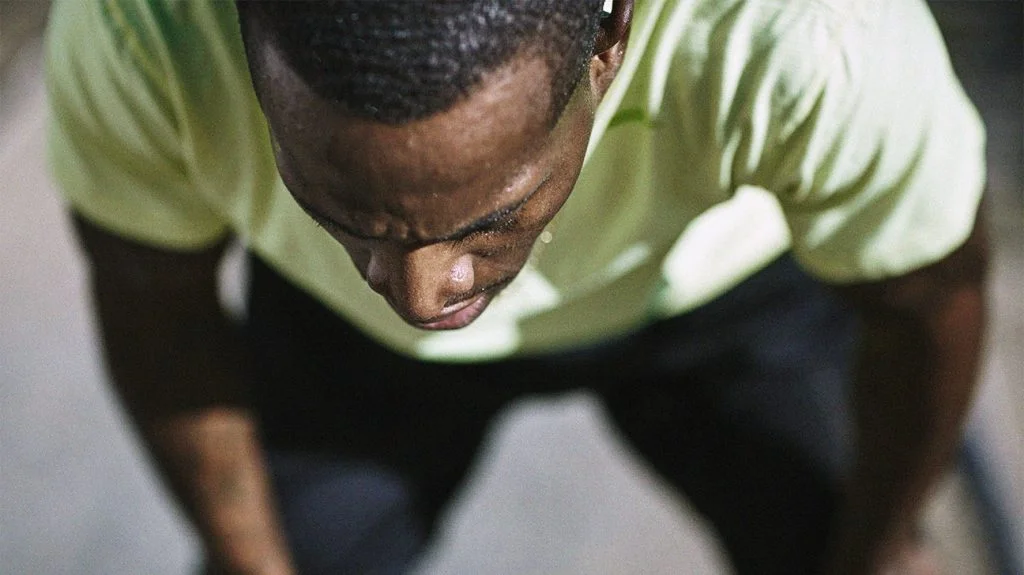
Shortness of breath
If you find yourself gasping for air during activities that used to be easy, or even at rest, seek medical help immediately. Shortness of breath can be a symptom of heart disease, asthma, or blood clots.
The best Ghanaian dishes for weight loss

Chest pain or tightness
Chest discomfort isn’t always a heart attack, but it’s not something to gamble on. If it feels like pressure, squeezing, burning, or pain radiating to the arm or jaw, call for emergency help. Don’t self-diagnose, get checked right away.
Natural ways to manage stress without medication

Changes in bowel or bladder habits
Blood in your stool, constant constipation, diarrhea, or trouble urinating could indicate a gastrointestinal issue, infection, or cancer. Changes that persist more than a few days deserve medical attention.
How to avoid burnout while staying productive: 7 real tips that actually work

Confusion or disorientation
Sudden changes in behavior, memory loss, or trouble speaking may signal a stroke, brain infection, or head injury. Time is critical, call a doctor or go to the hospital immediately if this happens to you or someone nearby.
Skin care routine for a natural no makeup glow

Severe abdominal pain
Abdominal pain that’s sharp, sudden, or localized could mean something more serious like appendicitis, gallstones, ulcers, or a ruptured organ. Don’t risk it, seek emergency care.
Exploring the different types of massage and their benefits

Bleeding that won’t stop
Whether it’s from a cut, your nose, or internally (like in urine or stool), uncontrolled bleeding is a serious warning sign. It could indicate a blood clotting disorder, trauma, or internal bleeding.
Get more than 50% discount on your next purchase. Click here to enjoy this offer now
It’s tempting to push through pain or brush off discomfort, especially when you have work, family, or life pulling at you from every direction. But your health is your foundation. Ignoring warning signs can lead to delayed diagnoses, worse outcomes, or long-term complications.