HOW TO CREATE A BALANCED FITNESS PLAN


Creating a fitness plan is easy. Sticking to it and making sure it works is where most people struggle. Many beginners fall into the trap of either doing too much cardio and neglecting strength training, or lifting heavy without paying attention to flexibility and recovery. A balanced fitness plan combines different forms of exercise, fuels your body properly, and allows adequate rest so you can build strength, endurance, and overall health.
Get more than 50% discount on your next purchase. Click here to enjoy this offer now
If you’re looking to create a fitness plan that is both realistic and sustainable, here’s a step-by-step guide to help you structure it.
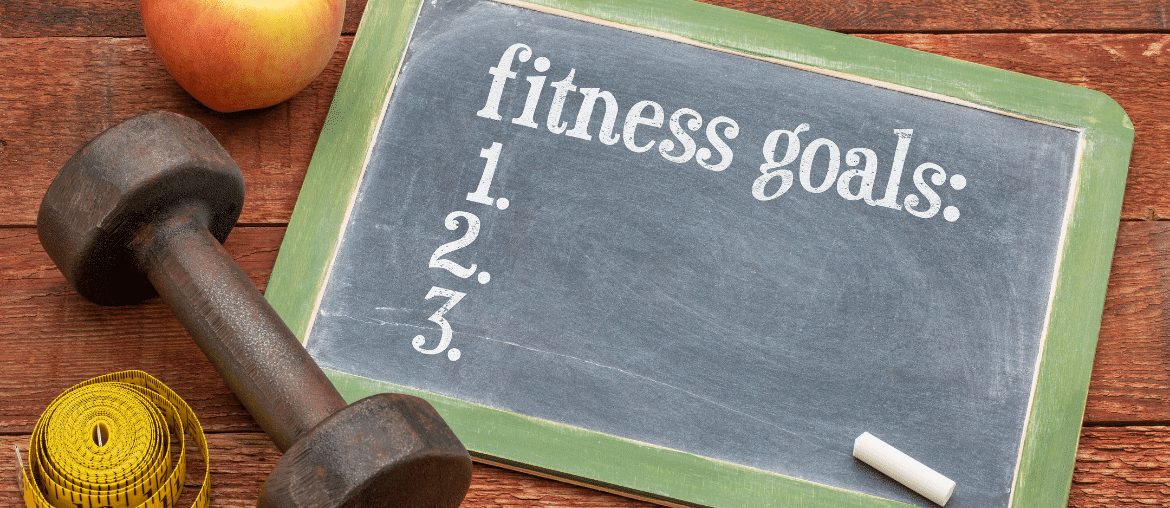
Define your fitness goals
The first step is clarity. Ask yourself: What do I want to achieve? Do you want to lose weight, build muscle, improve endurance, or enhance overall health? Your goals determine the type of training you should prioritize. For example, someone training for a marathon will focus more on cardiovascular endurance, while someone trying to build muscle will emphasize resistance training. But no matter your goal, balance is key. You don’t want to ignore one aspect of fitness while focusing on another.
How to stay fit in Ghana without without a gym: Practical tips that actually work

Include the four pillars of fitness
A well-rounded fitness plan should touch on these essential components:
a. Strength Training
Lifting weights or doing bodyweight exercises (push-ups, squats, lunges) builds muscle, improves metabolism, and strengthens bones. Aim for 2–4 sessions per week.
b. Cardiovascular Exercise
Running, cycling, swimming, or brisk walking helps strengthen your heart and lungs while burning calories. Incorporate 150 minutes of moderate or 75 minutes of high-intensity cardio per week, as recommended by health experts.
c. Flexibility and Mobility
Stretching, yoga, or dynamic warm-ups improve range of motion, reduce the risk of injury, and enhance recovery. Dedicate at least 10–15 minutes daily to flexibility and mobility.
d. Rest and Recovery
Your muscles grow and repair during rest, not while working out. Schedule at least one full rest day per week and prioritize quality sleep.
Best apps to improve memory, learning skills and boost brainpower

Pay attention to nutrition
Even the best workout plan won’t yield results if your diet doesn’t support it. Protein fuels muscle growth and repair. Complex carbs provide energy for workouts. Healthy fats support hormone balance and joint health. Hydration keeps your body functioning efficiently. Try to align your meals with your goals. For instance, if your aim is fat loss, maintain a calorie deficit while prioritizing nutrient-dense foods.
7 Ghanaian foods that are surprisingly healthy

Listen to your body
Overtraining is just as harmful as undertraining. If you’re constantly sore, fatigued, or unmotivated, that’s your body telling you it needs rest. Adjust intensity, take extra recovery days, or try lower-impact activities when needed.
9 signs you should see a doctor ASAP

Track progress and adjust
Progress doesn’t happen overnight, but tracking your journey keeps you motivated. Use a workout journal, a fitness app, or even progress photos to measure improvement. If your workouts start feeling too easy, gradually increase intensity, weight, or duration.
Get more than 50% discount on your next purchase. Click here to enjoy this offer now
A balanced fitness plan is not about doing the hardest workouts or spending endless hours in the gym, it’s about consistency, variety, and sustainability. When you combine strength, cardio, flexibility, and recovery, you build a body that is not only fit but also resilient and energized.